Claire Rae
  • Inspirations
    • Faith
      • Into the Deep
    • Lifestyle
      • Travel
      • Fashion
      • House & Home
      • Favourite Products
    • Health & Wellness
      • Ebooks & Coaching Services
        • Transformations
      • Nutrition
        • Recipe
      • Recovery
        • Supplements
  • Business
    • Marketing Management
    • Business Coaching
    • Photography
    • Contact
  • Coaching Services
  • RISE- Warrior Training
    • Members Only
  • Inspirations
    • Faith
      • Into the Deep
    • Lifestyle
      • Travel
      • Fashion
      • House & Home
      • Favourite Products
    • Health & Wellness
      • Ebooks & Coaching Services
        • Transformations
      • Nutrition
        • Recipe
      • Recovery
        • Supplements
  • Business
    • Marketing Management
    • Business Coaching
    • Photography
    • Contact
  • Coaching Services
  • RISE- Warrior Training
    • Members Only
Claire Rae
Category:

Training

Fitnesshealth and wellnessLivingNutritionRecovery

Order Matters

by Claire Rae April 8, 2026
written by Claire Rae

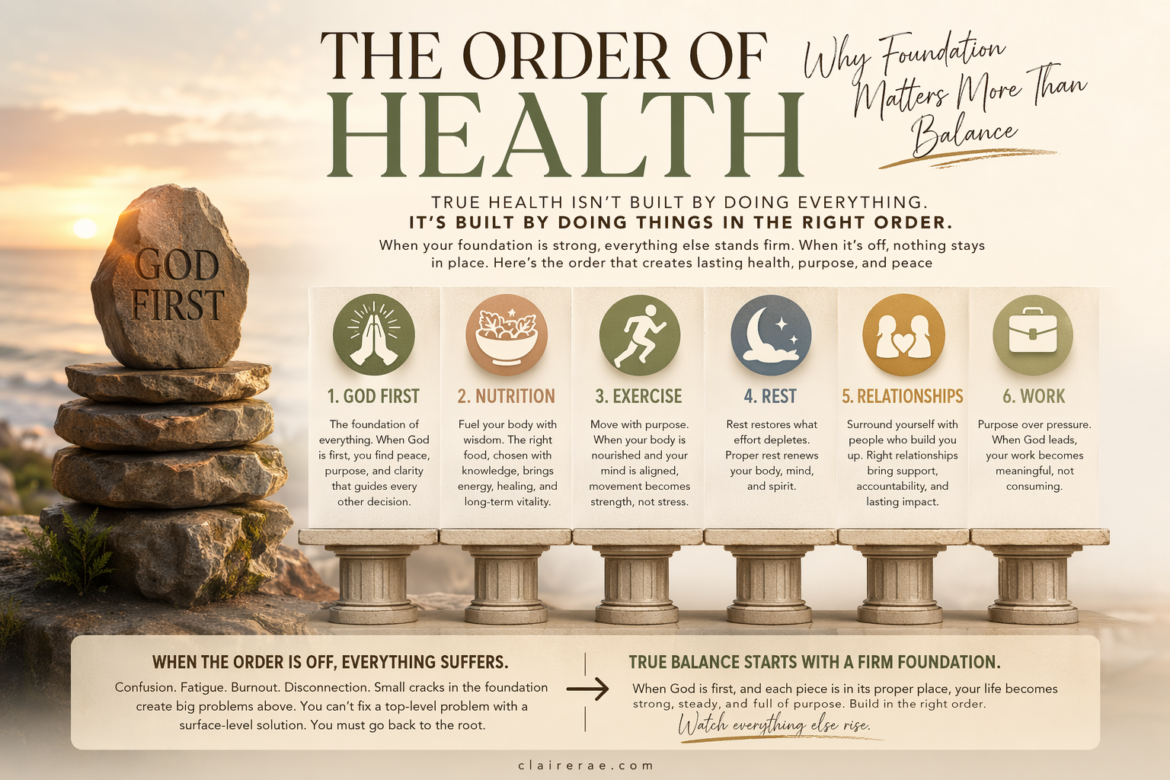
The Order of Health: Why Foundation Matters More Than Balance

In today’s world, “balance” is often the goal. We’re told to eat well, exercise consistently, rest more, work hard, and maintain healthy relationships. But what happens when you try to balance everything… on the wrong foundation?

The truth is—order matters more than balance. Because when your foundation is off, everything built on top of it becomes unstable.


1. God First: The Foundation of Everything

True health doesn’t begin in the body—it begins in the spirit.

When God is first, everything else finds its rightful place. Peace replaces anxiety. Purpose replaces striving. Identity replaces insecurity. Without this foundation, even the best habits can feel empty, forced, or unsustainable.

You can eat perfectly, train daily, and still feel lost, burned out, or disconnected. Why? Because the core is misaligned.

Putting God first isn’t about routine—it’s about relationship. It’s about surrendering control and allowing truth to lead your life. From that place, clarity flows into every other decision you make.


2. Nutrition: Fuel with Wisdom

Once your foundation is set, what you put into your body becomes the next priority.

Nutrition is more than calories—it’s communication. Every bite tells your body something: to heal, to inflame, to energize, or to drain. When guided by wisdom and knowledge, food becomes a tool for life, not just survival.

But without the right order, nutrition can become obsessive, confusing, or even harmful. When rooted in a grounded spirit, your choices become intentional—not emotional.


3. Exercise: Movement with Purpose

Exercise is powerful, but it should never come before alignment.

Movement strengthens the body, sharpens the mind, and builds resilience. But when it’s driven by insecurity, comparison, or pressure, it leads to burnout or injury.

When your spirit is grounded and your body is properly nourished, exercise becomes something different—it becomes a celebration, not a punishment.


4. Rest: The Missing Key

Rest is not weakness—it is design.

Without proper rest, everything suffers. Hormones become imbalanced, stress increases, clarity fades, and even your spiritual connection can feel distant.

Rest restores what effort depletes. It’s where healing happens—physically, mentally, and spiritually.


5. Relationships: Who You Walk With Matters

You are shaped by the people around you.

Right relationships will encourage growth, truth, and accountability. Wrong ones will drain, distract, and distort your priorities.

When your foundation is strong, you begin to recognize which relationships align with your purpose—and which don’t.


6. Work: Purpose Over Pressure

Work is meant to be an expression of purpose, not a source of identity.

When God is first, work flows from calling—not from fear, validation, or survival. It becomes meaningful, not consuming.

Without order, work can easily take the top spot—leading to stress, imbalance, and burnout.


When the Order Is Off

Here’s the reality:
If something is off at the foundation, everything above it will be affected.

  • If God isn’t first, confusion creeps in.
  • If nutrition is neglected, energy and clarity drop.
  • If exercise is misused, the body breaks down.
  • If rest is ignored, everything weakens.
  • If relationships are unhealthy, your direction shifts.
  • If work is misplaced, life becomes overwhelming.

You can’t fix a top-level problem with a surface-level solution. You must go back to the root.


True Balance Starts with a Firm Foundation

Balance is not about doing everything equally—it’s about doing everything in the right order.

When your foundation is firm:

  • Your choices become clear
  • Your energy becomes consistent
  • Your purpose becomes steady

But when the foundation is shaky, even the smallest pressure can shake everything.


What that looks like in your life

  • Starting your days off with time with God and reading your Bible for daily truth and prayer acknowledging that He is God and you are not. You are loved and He wants to help you with every part of your life. Seek Him for wisdom in your choices. See what He has to say in His word and follow what He tells you.
  • Planning your diet for success- Eating whole foods and eating less processed food wherever possible. This is a deeper dive and needs to be well established for long term health planning. You may consider hiring myself as a diet coach as much of the food no in grocery stores are deceptive and need discernment and experience to navigate.
  • Scheduling in consistent physical activities in your life without making it an obsession or weight and appearence focused but energy and stress relief with strength at the core of it’s purpose.
  • Scheduling in time with healthy relationships, Godly ones with similar core morals and accountability structured in. Relationships need honestly and vulnerability to be real and valuable. Surface level connections in excess erode growth and can keep you stuck in cycles that keep you sick and depressed or making poor lifestyle choices. Just because everyone is doing an unhealthy behaviour doesn’t make it right or worthwhile. Knowing when to step away and ask God for good relationships is key to healthy living.
  • Rest- not only in good sleep and days of rest but in mental rest where you learn to give the problems of the world back to God as a daily routine. Yes, we solve problems but by the leading of the Holy Spirit and not because we are the saviour. We do our part in which is given to us and we give the rest back to God. We must learn to rest and not to worry because God commands that of us. Worry is not of God – That’s why God gave us the Sabbath as a gift; to remind us that He even rested after His work as it was good to do so.
  • Ultimately you need to trust the process God has given us and walk in it. Little steps that turn into routines that play out in the long run to create a healthy life. When you fall or get pulled off course, you ask for forgiveness and ask to be put back on the right path. Do it over and over and eventually you get really good at it and

Final Thought

If something feels off in your health, don’t just adjust your habits—examine your order.

Go back to the beginning. Realign your foundation. Build from truth.

Because when the foundation is right, everything else has the strength to stand.

April 8, 2026
0 FacebookTwitterPinterestLinkedinEmail
health and wellnessNutritionRecovery

The food we eat- The mind we carry

by Claire Rae March 14, 2026
written by Claire Rae


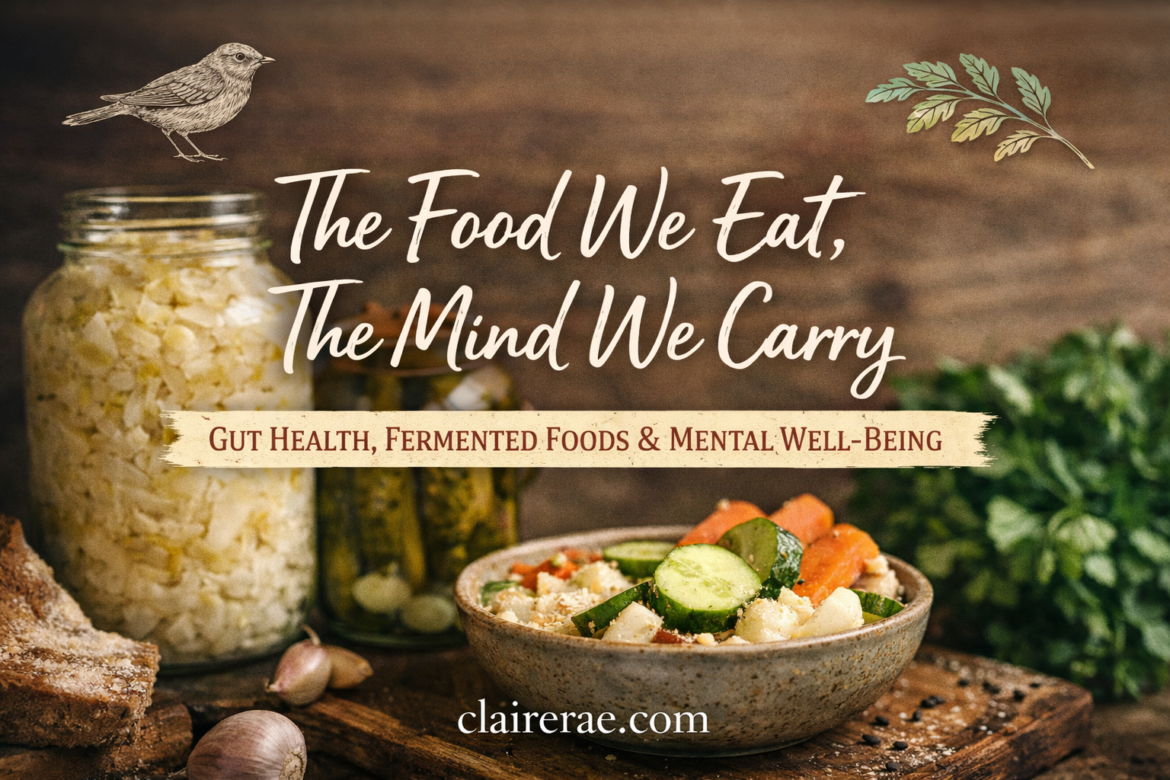
Gut Health, Mental Health, and Ancient Wisdom: Rethinking the Way We Care for Our Minds

With the rise in mental health struggles—including increasing diagnoses of Attention Deficit Hyperactivity Disorder (ADHD)—and the deeply concerning increase in deaths through Medical Assistance in Dying (MAID that has reached 100,000!!) here in Canada, I often feel compelled to share as much information as possible about foundational health.

Every time I open social media, I’m met with advertisements suggesting symptoms of ADHD. The messaging often encourages people to identify with the diagnosis and seek medication. Many of the symptoms listed—difficulty concentrating, fatigue, anxiety, overwhelm—are things that many people experience today.

But we also live in a time of unprecedented stress.

After the global disruption of COVID-19 pandemic, constant media exposure, social isolation, and widespread uncertainty, it’s not surprising that many people feel overwhelmed or anxious. If someone has experienced trauma, grief, or prolonged stress, these feelings can intensify.

What concerns me is that the first question is rarely about lifestyle.

Instead of asking about diet, sleep, exercise, social connection, or spiritual health, the conversation often jumps quickly to medication and diagnosis.

Medication can have an important role in certain situations, but it should not be the first or only tool we consider. Too often we overlook simple, foundational areas of health that profoundly influence how our minds and bodies function.

Many people today are undernourished, sleep deprived, socially isolated, spiritually disconnected, and chronically stressed. These factors alone can significantly affect mental health.

I’ve watched too many friends struggle over the past five years. Some lost their health. Some made devastating life choices. Some simply didn’t have the guidance or support they needed. Experiences like that make me even more passionate about sharing knowledge that could help people reconsider the path they’re on.

This isn’t about blaming individuals or dismissing genuine mental illness. Rather, it’s about remembering that our bodies were designed to function best when we care for them holistically.

Sometimes the solutions we need are not new discoveries but ancient wisdom.


Returning to the Basics

Scripture reminds us that transformation often begins with renewing our thinking:

“Do not conform to the pattern of this world, but be transformed by the renewing of your mind.” — Romans 12:2

And we are also reminded that God equips us with what we need:

“For God has not given us a spirit of fear, but of power and of love and of a sound mind.” — 2 Timothy 1:7

Throughout my life, whenever I’ve faced physical, emotional, or mental struggles, prayer and seeking God’s guidance have often led me back to simple foundations:

• Nourishing food
• Physical movement
• Rest and recovery
• Forgiveness and relationships
• Time with God

Sometimes healing comes through diet and exercise. Other times it comes through rest, community, or learning to forgive. Often it comes through a combination of all these things.

Over the years, one of the most powerful areas I’ve focused on is restoring gut health.

Modern research increasingly confirms that the gut and brain are closely connected through what scientists call the gut-brain axis.

Researchers **John F. Cryan and **Ted Dinan explain:

“There is increasing evidence to suggest that gut microbiota influence brain function and behaviour through the microbiota–gut–brain axis.”
— Cryan & Dinan, Nature Reviews Neuroscience

In fact, scientists estimate that around 90–95% of the body’s serotonin—an important mood-regulating neurotransmitter—is produced in the gut.

This means what we eat can influence how we think, feel, and function.


Ancient Foods That Support Gut Health

For thousands of years, traditional cultures consumed fermented foods daily. These foods contain beneficial microbes that help support a healthy microbiome.

Some powerful fermented foods include:

• Kefir
• Sauerkraut
• Kimchi
• Yogurt
• Apple cider vinegar

One beneficial bacterium receiving increasing attention is Lactobacillus reuteri, which naturally lives in the digestive tract and may support immune function, inflammation balance, and gut integrity.


Simple Fermented Foods You Can Make at Home

One of the beautiful things about fermentation is that it is simple, inexpensive, and rooted in ancient food traditions.

Below are a few basic ways to start incorporating fermented foods into your routine.


L. Reuteri Yogurt

This probiotic yogurt has become popular for supporting beneficial gut bacteria.

Ingredients

• 1 quart organic milk or half-and-half is best in my opinion to use.
• 1–2 probiotic tablets containing Lactobacillus reuteri
• 2 tbsp prebiotic fiber (such as inulin)

Instructions

  1. Warm the milk to about 100°F (38°C).

  2. Crush the probiotic tablets and mix them with the inulin.

  3. Whisk the mixture into the milk.

  4. Place in a yogurt maker>> This is the one I use and find it great because it sets for the 36 hours in which you need for this type>>

  5. Ferment for 36 hours. 

  6. Refrigerate and consume within one week.

The extended fermentation allows beneficial bacteria to multiply significantly.


Homemade Kefir

Kefir is one of the most diverse probiotic foods available.

Ingredients

• 1 tablespoon kefir grains
• 2 cups milk

Instructions

  1. Place kefir grains in a glass jar.

  2. Pour milk over the grains.

  3. Cover loosely with a cloth.

  4. Leave at room temperature for 24 hours.

  5. Strain the grains and refrigerate the liquid kefir.

The grains can be reused indefinitely.


Apple Cider Vinegar Tonic

Apple cider vinegar can support digestion when consumed before meals.

Simple Daily Tonic

• 1 tablespoon raw apple cider vinegar
• 1 cup warm water
• Optional: honey and lemon

Drink before meals to support digestive enzymes and stomach acid production. I make my own with remains of apples. I just put my apples in filtered water and let it ferment for a month, place it in my fridge using a glass container.


The Power of Nourishing the Body

When we begin nourishing our bodies with real, living foods, many people notice improvements in:

• energy levels
• mental clarity
• digestion
• mood stability
• overall productivity

Food is not the only factor in mental health, but it is a foundational one that is often overlooked.

Returning to whole foods, traditional fermentation, movement, rest, and spiritual grounding can make an incredible difference.

These ancient practices are not complicated, but they are powerful.

Sometimes the most profound changes come from returning to the basics. Read your Bible daily for true wisdom do what it says including,  nourish your body with whole God made foods and listening for instruction.


References

Cryan, J. F., & Dinan, T. G. (2012). Mind-altering microorganisms: The impact of the gut microbiota on brain and behaviour. Nature Reviews Neuroscience.

Aarts, E., et al. (2017). Gut microbiome in ADHD and its relation to neural reward anticipation. Microbiome.

Marco, M. L., et al. (2017). Health benefits of fermented foods: Microbiota and beyond. Current Opinion in Biotechnology.

Pothoulakis, C. (2009). Anti-inflammatory mechanisms of action of Lactobacillus reuteri. Alimentary Pharmacology & Therapeutics.

Katz, S. (2012). The Art of Fermentation.


March 14, 2026
1 FacebookTwitterPinterestLinkedinEmail
Fitnesshealth and wellnessLifeRecoveryResetTrainingTransformations

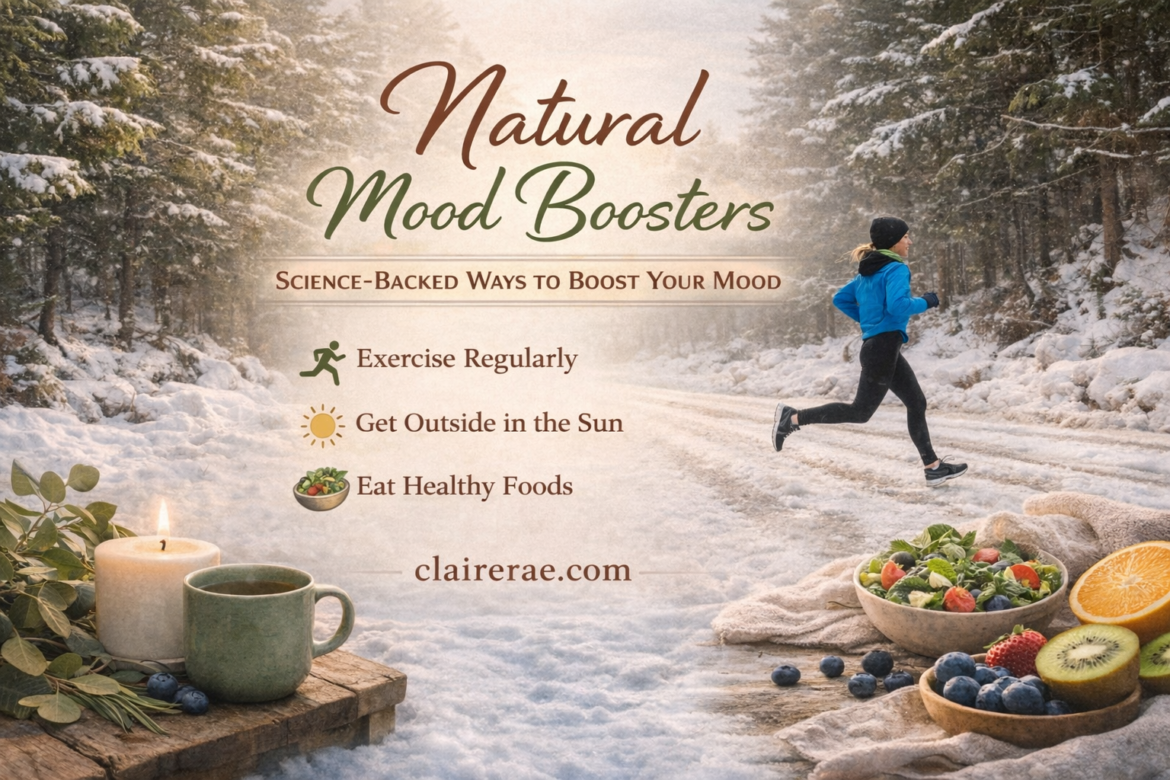
Drug and supplement free mood booster

by Claire Rae February 23, 2026
written by Claire Rae

I’ve been meaning to share this as a reminder to my spiritually minded friends — especially those who have joined me in the deeper conversations inside the RISE group.

As we pursue growth, healing, and deeper spiritual understanding, we cannot forget the importance of the basic tools we’ve been given to feel well: sound nutrition, quality sleep, sunlight exposure, and regular movement.

This time of year, I receive many questions from clients, and often my response comes back to these foundations. Have you been exercising? You’d be surprised how many people drift away from this simple habit, only to find other areas of their health slowly unraveling.

And don’t worry — I’m speaking to myself here too. I was planning to post this yesterday, but halfway through writing it, I had to stop and ask myself, “Have you trained yet?” I realized I had put my own movement on the back burner. So I paused this post, went for a walk, and took care of myself first.

Many people struggle during this season due to reduced sunlight and fewer opportunities to be outdoors. If you’ve been spending too much time inside and neglecting the basics, this science-backed reminder is for you.

It’s also for my science-loving friends who like to see the research before embracing advice. Think of this as a friendly nudge — supported by evidence — to help you shift your schedule and prioritize the movement your body truly needs.

We walk by faith… and science confirms that walking is good for you.

Before diving into the research, I want to add something important. Exercise is not always the complete answer. I know this personally.

I’ve experienced multiple brain injuries, broken limbs, a broken neck, a season of fibromyalgia, a tumor, a torn muscle — all at different levels of severity. There were times when I could not simply “exercise my way out” of depression.

Sometimes healing takes longer. Sometimes God allows us to remain in a hard place for a season. If you’ve been there — calling out to Him — don’t stop calling. He may be working in ways you cannot yet see. I learned that during one of my most severe bouts of depression.

Exercise absolutely helps. It lifts mood. It increases energy. It restores clarity. But sometimes you must fight a little harder to return to the simple disciplines of movement and nutrition.

Either way, press on. Ask God for daily strength. Appreciate “the science” — or as I like to say, “other people’s observations.” And when you find answers or experience healing, remember to thank Him. Even the ability to exercise is a gift — and not everyone has that gift.

He is the great Revealer of all our needs, both big and small.

Move to Feel good: How Exercise Unlocks Your Body’s “Feel-Good” Chemistry

Most of us know we feel better after a workout. But why? It turns out that exercise triggers a powerful cascade of neurochemical and physiological changes that can elevate mood, sharpen the mind, reduce stress, and even protect the brain from aging and disease. In short: exercise is one of the most effective, scientifically supported ways to boost your brain chemistry — naturally.

Let’s explore the major “feel-good” hormones and neurotransmitters involved, what research says about how exercise affects them, and how to train in a way that maximizes these benefits.


The Brain’s Feel-Good Chemistry: Key Players

Endorphins – Natural Painkillers & Mood Boosters

Endorphins are endogenous opioids produced by the brain and pituitary gland. They act as natural painkillers and are widely believed to contribute to the classic “runner’s high” — a state of euphoria and reduced pain perception during and after sustained exertion. Clinical research clearly shows exercise stimulates these natural opioids, contributing to improved mood and well-being post-workout. (PMC)

Pro Tip: Endorphin spikes tend to be more noticeable with moderate to vigorous aerobic exercise lasting at least 20–30 minutes.


Serotonin – Mood, Sleep & Emotional Balance

Serotonin is crucial for regulating mood, emotions, appetite, and sleep. Exercise increases serotonin synthesis and availability in the brain — partly by helping tryptophan (its precursor) cross the blood–brain barrier more efficiently. Increased serotonin is one reason regular physical activity has antidepressant effects resembling those of some medications. (Frontiers)

Training tip: Regular, sustained aerobic exercise (e.g., brisk walking, jogging, cycling) 3–5 times per week at moderate intensity is linked to consistent serotonin benefits over time.


Dopamine – Motivation, Reward & Focus

Dopamine is central to motivation, reward, pleasure, and goal-directed behavior. Exercise naturally enhances dopamine release and may even increase receptor availability when practiced consistently. Higher dopamine levels help boost motivation, sharpen focus, and influence cognitive performance — including faster reaction times, as shown in recent research. (ScienceDaily)

Practical tip: Interval training and sprints can particularly stimulate dopamine release, especially when paired with goal-oriented workouts (like hitting new personal records or tracking progress).


BDNF (Brain-Derived Neurotrophic Factor) – Growth & Resilience

Beyond classic hormones, exercise also increases levels of brain-derived neurotrophic factor (BDNF) — sometimes called “fertilizer for your brain.” BDNF supports new neuron growth, strengthens neural connections, and is directly linked to improved memory and mood regulation. Regular activity helps keep BDNF levels elevated, which is associated with better mental health and cognitive aging prevention. (Science News Today)

Strategy: Consistency matters more than intensity here — think 150+ minutes of moderate activity weekly.


What the Research Says: Evidence from Clinical Studies

Clinical and meta-analytic research supports the mood-boosting effects of exercise across populations:

  • Depression: Exercise has antidepressant effects similar to medication and psychotherapy in many cases, particularly when aerobic and resistance training are combined. 

  • Anxiety: Moderate-to-high intensity aerobic workouts can lead to moderate-to-large reductions in anxiety symptoms. 

  • Cognition: A review of more than 130 clinical trials found that exercise improves executive function, attention, and memory across ages. 

This is not just “feel-good fluff” — the neurochemical changes triggered by exercise have measurable effects on brain structure and function over time. 


How to Train for Feel-Good Hormones

Here’s how to structure your exercise routine to maximize mood benefits:

1. Aim for Regularity

The most consistent findings show regular exercise, even at modest intensities, builds lasting improvements in mood and brain chemistry. Think 4–6 sessions a week, mixing various styles.

2. Mix Aerobic & Strength Training

  • Aerobic activity: Brisk walking, jogging, cycling — excellent for serotonin and endorphins.

  • Resistance training: Weights or bodyweight circuits — boosts dopamine and supports overall brain health.

  • Flexibility & Mind-Body: Yoga, tai chi, and dance can also reduce stress and promote emotional balance. 

3. Target the Sweet Spot

You don’t need ultra-long workouts — 30–45 minutes of moderate-to-vigorous exercise is enough to trigger neurochemical changes and enhance mood. Even short 10-15 minute bouts of movement throughout the day help, especially for beginners. 

4. Prioritize Consistency Over Intensity

Long-term mental health benefits depend on regular movement, not occasional bursts of extreme activity. Building a habit triggers adaptive neuroplastic changes (like BDNF increase and stable neurotransmitter balance).


Beyond Hormones: Other Brain Benefits of Exercise

Exercise affects more than just neurotransmitters:

  • Stress Regulation: Regular activity can lower chronic cortisol (stress hormone) levels and enhance stress resilience. (nmmra.org)

  • Neuroplasticity: Physical activity literally reshapes your brain, improving memory and mood regulation. (Science News Today)

  • Sleep Quality: Better sleep further enhances mood and cognitive function.


Wrapping Up: Move Well, Feel Well

Science increasingly confirms what many people intuitively know: exercise is powerful medicine for the brain and body. It unleashes a symphony of feel-good chemicals like endorphins, serotonin, dopamine, and BDNF — working together to improve mood, cognition, stress resilience, and overall well-being.

Whether you’re taking your first steps toward fitness or you’re a seasoned athlete, the key is consistency and variety. Find activities you enjoy, set achievable goals, and let your brain chemistry reward you for moving — one workout at a time.

References:


Boecker, H., Sprenger, T., Spilker, M. E., Henriksen, G., Koppenhoefer, M., Wagner, K. J., Valet, M., Berthele, A., & Tolle, T. R. (2008). The runner’s high: Opioidergic mechanisms in the human brain. Cerebral Cortex, 18(11), 2523–2531. https://doi.org/10.1093/cercor/bhn013

Fisher, B. E., Petzinger, G. M., Nixon, K., Hogg, E., Bremmer, S., Meshul, C. K., & Jakowec, M. W. (2013). Exercise-induced behavioral recovery and neuroplasticity in Parkinson’s disease. Journal of Parkinson’s Disease, 3(4), 601–610. https://doi.org/10.3233/JPD-130217

Gordon, B. R., McDowell, C. P., Lyons, M., & Herring, M. P. (2018). Association of resistance exercise with depressive symptoms: A meta-analysis and meta-regression analysis of randomized clinical trials. JAMA Psychiatry, 75(6), 566–576. https://doi.org/10.1001/jamapsychiatry.2018.0284

Schuch, F. B., Vancampfort, D., Richards, J., Rosenbaum, S., Ward, P. B., & Stubbs, B. (2016). Exercise as a treatment for depression: A meta-analysis adjusting for publication bias. Journal of Psychiatric Research, 77, 42–51. https://doi.org/10.1016/j.jpsychires.2016.02.023

Szuhany, K. L., Bugatti, M., & Otto, M. W. (2015). A meta-analytic review of the effects of exercise on brain-derived neurotrophic factor. Journal of Psychiatric Research, 60, 56–64. https://doi.org/10.1016/j.jpsychires.2014.10.003

Young, S. N. (2003). Exercise and the regulation of serotonin in the brain. Clinics in Sports Medicine, 22(2), 345–351. https://doi.org/10.1016/S0278-5919(02)00079-5


February 23, 2026
1 FacebookTwitterPinterestLinkedinEmail
health and wellnessNutritionRecovery

Sugar- Is it worth it?

by Claire Rae February 17, 2026
written by Claire Rae

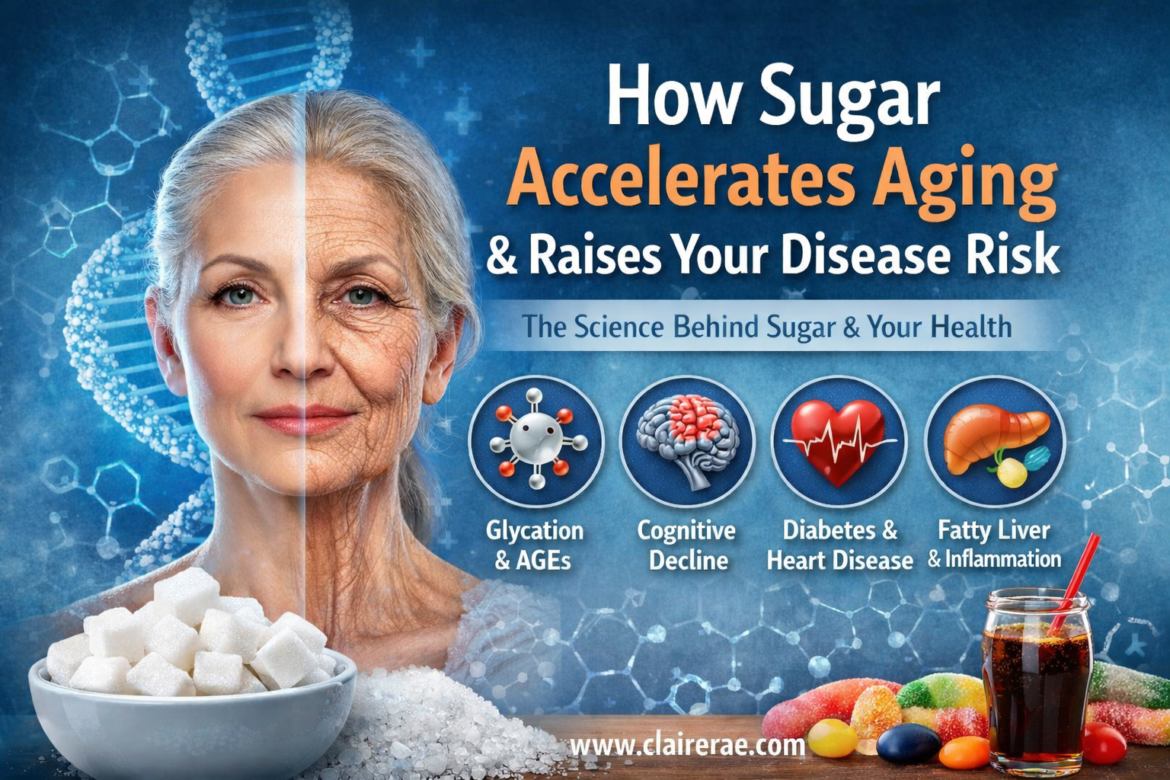
How Sugar Accelerates Aging and Raises Your Disease Risk

The Sweet Truth Behind the Bitter Health Consequences

We all enjoy a sweet treat now and then — whether it’s dessert after dinner, a sugary latte, or a can of soda on a hot day. But beneath that pleasurable taste lies a biological reality: excess added sugar can accelerate aging and significantly increase the risk of chronic disease. Scientific research continues to uncover just how deeply sugar affects our cells, hormones, skin, brain, and long-term health.


What Sugar Does in Your Body

  1. Formation of Harmful Molecules — AGEs

When sugar circulates in the bloodstream at high levels — especially glucose and fructose — it reacts with proteins and fats in a process called glycation. This reaction produces advanced glycation end products (AGEs) — toxic compounds that accumulate in tissues. AGEs alter the structure and function of proteins like collagen and elastin, making tissues stiffer and less resilient. In skin, this accelerates wrinkles and sagging; in blood vessels, it contributes to arterial stiffness and cardiovascular risk. (biomednutrition.com)

AGEs also stimulate oxidative stress and chronic inflammation — two biological hallmarks of aging and disease. (ScienceInsights)


Sugar and Cellular Aging

Scientists now use measures like epigenetic clocks — chemical markers on DNA that shift with age — to estimate how diet affects biological aging (which can differ from your actual age). Higher added sugar intake is linked with accelerated biological aging, even when the rest of the diet is healthy. (Home)

One study suggested that reducing added sugar by just 10 grams a day could be akin to turning back your biological clock by several months. (ScienceAlert)


Brain Health and Cognition

High sugar diets don’t just affect muscles and skin — they also impact the brain. Studies have linked excessive sugar consumption to inflammation and metabolic dysfunction in the central nervous system. These processes are implicated in cognitive decline and neurodegenerative diseases like Alzheimer’s. (PubMed)

Some observational research also points to higher dementia risk among people with high added sugar diets. (EatingWell)


Chronic Disease Risk

  1. Type 2 Diabetes and Insulin Resistance

Sugar spikes blood glucose and prompts repeated insulin release. Over time, cells can become less responsive to insulin — a condition called insulin resistance, which is a major precursor to type 2 diabetes. (Healthline)

  1. Heart Disease

Excess sugar is associated with unfavorable changes in blood fat metabolism — including increased triglycerides and LDL (“bad”) cholesterol — which promote atherosclerosis and cardiovascular disease. (Healthline)

  1. Fatty Liver Disease

The liver metabolizes fructose (a component of many added sugars) into fats when in excess, contributing to fatty liver disease, inflammation, and metabolic dysfunction. (Verywell Health)

  1. Chronic Inflammation

High sugar intake triggers a persistent, low-grade inflammatory state — involving cytokines and immune signaling molecules — which underpins insulin resistance, obesity, and chronic diseases like heart disease and arthritis. (PMC)


Visible Signs of Aging — It’s Not Just Wrinkles

Skin health is often the most visible sign people notice when they change their diet. Sugar-induced AGEs cross-link collagen and elastin fibers, reducing elasticity and accelerating wrinkle formation. Elevated blood glucose levels correlate with older-looking skin and loss of youthful tone. (biomednutrition.com)

But the effects go deeper: glycation also affects repair mechanisms and contributes to oxidative stress, further damaging skin cells and slowing healing. (biomednutrition.com)


A Lifelong Perspective: Early Exposure Matters

Emerging research suggests that early life exposure to high sugar diets may predispose individuals to diabetes and high blood pressure later in life, highlighting lifelong impact beyond just immediate metabolic effects. (National Institutes of Health (NIH))


So, Should You Cut Out Sugar Completely?

Not necessarily — it’s about moderation and awareness. The key concern is added sugar — the extra sugar in processed foods, sugary drinks, and sweets — rather than naturally occurring sugars in fruits and dairy, which come packaged with nutrients and fiber.

Major health organizations recommend limiting added sugar intake to well below 10% of total daily calories, with some guidelines (e.g., American Heart Association) suggesting even stricter limits. Reducing your sugar intake can slow biological aging and lower disease risk substantially, especially when combined with an overall nutrient-rich diet.


 Practical Tips to Reduce Sugar and Support Healthy Aging

  • Choose whole foods over processed packages.
  • Read labels carefully — sugar hides under many names.
  • Replace sugary drinks with water, herbal tea, or infused water.
  • Focus on anti-inflammatory foods like leafy greens, nuts, and omega-3 sources.
  • Balance meals with protein and fiber to stabilize blood sugar.


 Final Takeaway

Sugar doesn’t just feed your sweet tooth — it feeds biological processes that accelerate aging and raise the risk of chronic illness. From cellular DNA changes and collagen damage to inflammation and metabolic dysfunction, scientific evidence paints a clear picture: too much added sugar ages you faster and increases the risk of disease.

By being mindful of sugar intake and prioritizing nutrient-dense foods, you can support healthier aging — inside and out.


References:

Advanced Glycation End Products (AGEs) & Aging

  1. Singh, R., Barden, A., Mori, T., & Beilin, L. (2001). Advanced glycation end-products: A review. Diabetologia, 44(2), 129–146. https://doi.org/10.1007/s001250051591
  2. Goldin, A., Beckman, J. A., Schmidt, A. M., & Creager, M. A. (2006). Advanced glycation end products: Sparking the development of diabetic vascular injury. Circulation, 114(6), 597–605. https://doi.org/10.1161/CIRCULATIONAHA.106.621854
  3. Gkogkolou, P., & Böhm, M. (2012). Advanced glycation end products: Key players in skin aging? Dermato-Endocrinology, 4(3), 259–270. https://doi.org/10.4161/derm.22028


Sugar, Inflammation & Oxidative Stress

  1. Calder, P. C., Ahluwalia, N., Brouns, F., et al. (2011). Dietary factors and low-grade inflammation in relation to overweight and obesity. British Journal of Nutrition, 106(S3), S5–S78. https://doi.org/10.1017/S0007114511005460
  2. Aeberli, I., Gerber, P. A., Hochuli, M., et al. (2011). Low to moderate sugar-sweetened beverage consumption impairs glucose and lipid metabolism. American Journal of Clinical Nutrition, 94(2), 479–485. https://doi.org/10.3945/ajcn.111.013540Sugar & Cardiovascular Disease
  1. Yang, Q., Zhang, Z., Gregg, E. W., et al. (2014). Added sugar intake and cardiovascular disease mortality among US adults. JAMA Internal Medicine, 174(4), 516–524. https://doi.org/10.1001/jamainternmed.2013.13563
  2. Stanhope, K. L. (2016). Sugar consumption, metabolic disease and obesity. Physiology & Behavior, 162, 66–73. https://doi.org/10.1016/j.physbeh.2016.03.009


Sugar, Insulin Resistance & Type 2 Diabetes

  1. Imamura, F., O’Connor, L., Ye, Z., et al. (2015). Consumption of sugar-sweetened beverages and incidence of type 2 diabetes. BMJ, 351, h3576. https://doi.org/10.1136/bmj.h3576
  2. Malik, V. S., Popkin, B. M., Bray, G. A., et al. (2010). Sugar-sweetened beverages and risk of metabolic syndrome and type 2 diabetes. Diabetes Care, 33(11), 2477–2483. https://doi.org/10.2337/dc10-1079


Fructose & Fatty Liver Disease

  1. Lim, J. S., Mietus-Snyder, M., Valente, A., et al. (2010). The role of fructose in the pathogenesis of NAFLD and metabolic syndrome. Nature Reviews Gastroenterology & Hepatology, 7, 251–264. https://doi.org/10.1038/nrgastro.2010.41
  2. Softic, S., Cohen, D. E., & Kahn, C. R. (2016). Role of dietary fructose and hepatic de novo lipogenesis in fatty liver disease. Digestive Diseases and Sciences, 61, 1282–1293. https://doi.org/10.1007/s10620-016-4054-0


Sugar & Brain Health / Cognitive Decline

  1. Beilharz, J. E., Maniam, J., & Morris, M. J. (2015). Diet-induced cognitive deficits: The role of inflammation. Molecular Neurobiology, 51, 1243–1253. https://doi.org/10.1007/s12035-014-8746-1
  2. Kerti, L., Witte, A. V., Winkler, A., et al. (2013). Higher glucose levels associated with lower memory and reduced hippocampal structure. Neurology, 81(20), 1746–1752. https://doi.org/10.1212/01.wnl.0000435561.00234.ee


Sugar & Biological Aging (Epigenetic Aging)

  1. Liu, Z., Kuo, P.-L., Horvath, S., et al. (2020). A new aging measure captures morbidity and mortality risk across diverse populations. Nature Communications, 11, 3169. https://doi.org/10.1038/s41467-020-17312-3
  2. Chandrasekaran, S., et al. (2023). Associations between dietary added sugar intake and epigenetic aging markers. American Journal of Clinical Nutrition. (Recent research linking added sugar to accelerated biological aging.)
February 17, 2026
0 FacebookTwitterPinterestLinkedinEmail
Fitnesshealth and wellnessNutritionRecovery

Gut Health for Brain Health

by Claire Rae February 6, 2026
written by Claire Rae

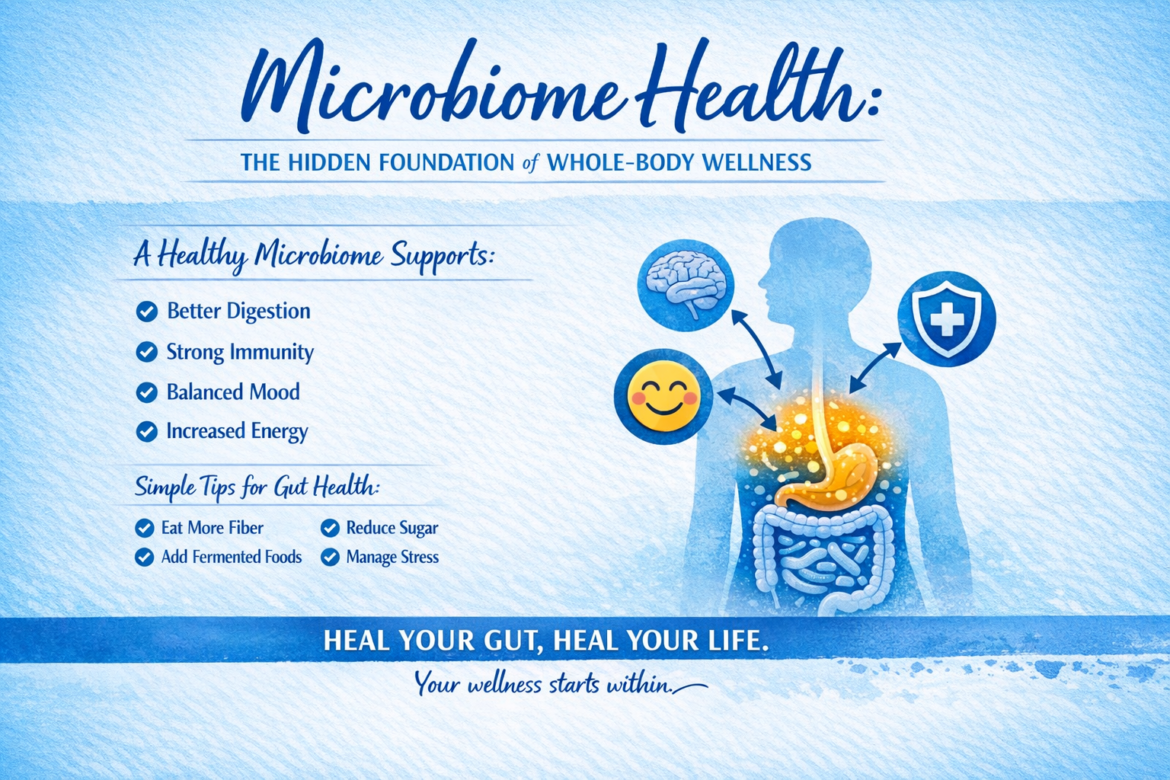
Microbiome Health: The Hidden Foundation of Whole-Body Wellness

Inside your body lives an entire ecosystem—trillions of bacteria, fungi, and microorganisms working together to support your health. This community is called the microbiome, and it plays a much bigger role in your wellbeing than most people realize. From digestion and immunity to mood, hormones, and even weight regulation, your microbiome is quietly influencing almost every system in your body.

When your microbiome is balanced and diverse, your body thrives. When it’s disrupted, symptoms can show up in unexpected ways.

What Exactly Is the Microbiome?

The microbiome refers primarily to the microorganisms living in your gut, though similar communities exist on your skin, in your mouth, and throughout your body. In the gut, these microbes help:

  • Break down complex carbohydrates and fiber

  • Produce essential vitamins such as vitamin K and certain B vitamins

  • Support immune system development and regulation

  • Protect against harmful pathogens

  • Regulate inflammation and metabolic processes

Research shows that the gut microbiome functions almost like an additional organ due to its extensive metabolic and immune activity (Lederberg & McCray, 2001; Thursby & Juge, 2017).

Signs Your Microbiome May Be Out of Balance

A disrupted microbiome—often referred to as dysbiosis—can be influenced by antibiotics, chronic stress, poor diet, sleep disruption, and environmental toxins. Studies link dysbiosis to symptoms such as:

  • Digestive issues (bloating, constipation, diarrhea)

  • Increased inflammation

  • Insulin resistance and metabolic imbalance

  • Mood disorders and cognitive symptoms

Dysbiosis has been associated with conditions including IBS, obesity, autoimmune disease, anxiety, and depression (Valdes et al., 2018).

The Gut–Brain Connection

One of the most fascinating discoveries in modern health science is the gut–brain axis—the bidirectional communication between the gut microbiome and the central nervous system.

Gut bacteria influence neurotransmitter production, including serotonin, dopamine, and GABA. Approximately 90% of serotonin is produced in the gut, not the brain (Yano et al., 2015). Healthy gut bacteria help regulate stress responses, mood, sleep, and emotional resilience.

This connection explains why improving gut health is often associated with improvements in anxiety, depression, and overall mental clarity (Cryan & Dinan, 2012).

How Modern Life Impacts Gut Health

Research shows that modern lifestyle factors significantly alter gut microbiome diversity:

  • Diets high in ultra-processed foods reduce beneficial bacteria

  • Excess sugar promotes inflammatory microbes

  • Antibiotics reduce microbial diversity, sometimes long-term

  • Chronic stress alters gut permeability and bacterial balance

Low microbial diversity has been consistently associated with poorer health outcomes and increased disease risk (Mosca et al., 2016).

How to Support a Healthy Microbiome Naturally

Evidence-based lifestyle habits can restore and support gut health:

1. Eat a Fiber-Rich Diet
Dietary fiber acts as a prebiotic, feeding beneficial bacteria. High-fiber diets are linked to increased microbial diversity and reduced inflammation (Makki et al., 2018).

2. Include Fermented Foods
Fermented foods like yogurt, kefir, sauerkraut, and kimchi introduce live microorganisms that can improve gut microbial composition and immune response (Marco et al., 2017).

3. Reduce Sugar and Ultra-Processed Foods
High sugar intake has been shown to disrupt gut bacteria and increase inflammatory markers (Zinöcker & Lindseth, 2018).

4. Manage Stress
Stress alters gut motility and microbial balance via the gut–brain axis. Mindfulness, prayer, breathing practices, and nature exposure have all been shown to positively influence gut health (Foster et al., 2017).

5. Prioritize Sleep
Circadian rhythm disruption negatively affects gut microbiota composition and metabolic health (Voigt et al., 2014).

6. Be Intentional with Antibiotic Recovery
While antibiotics are sometimes necessary, studies suggest targeted probiotic and dietary support can help restore microbial balance afterward (McFarland, 2014).

Healing from the Inside Out

Modern science continues to confirm what holistic health has long emphasized reminding us: true wellness begins in the gut. Supporting your microbiome doesn’t just improve digestion—it strengthens immunity, stabilizes mood, reduces inflammation, and supports long-term vitality.

When you nourish your internal ecosystem, you create an environment where healing becomes possible—naturally and sustainably.


Scientific References
  • Cryan, J. F., & Dinan, T. G. (2012). Mind-altering microorganisms: The impact of the gut microbiota on brain and behaviour. Nature Reviews Neuroscience.
  • Foster, J. A., et al. (2017). Stress & the gut-brain axis. Neurobiology of Stress.
  • Lederberg, J., & McCray, A. T. (2001). ‘Ome sweet ’omics—a genealogical treasury of words. The Scientist.
  • Makki, K., et al. (2018). The impact of dietary fiber on gut microbiota. Cell Host & Microbe.
  • Marco, M. L., et al. (2017). Health benefits of fermented foods. Nutrition Research Reviews.
  • McFarland, L. V. (2014). Use of probiotics to correct dysbiosis. Clinical Gastroenterology.
  • Mosca, A., et al. (2016). Gut microbiota diversity and human health. Current Opinion in Microbiology.
  • Thursby, E., & Juge, N. (2017). Introduction to the human gut microbiota. Biochemical Journal.
  • Valdes, A. M., et al. (2018). Role of the gut microbiota in nutrition and health. BMJ.
  • Voigt, R. M., et al. (2014). Circadian rhythm and the gut microbiome. International Review of Neurobiology.
  • Yano, J. M., et al. (2015). Indigenous bacteria from the gut microbiota regulate host serotonin biosynthesis. Cell.
  • Zinöcker, M. K., & Lindseth, I. A. (2018). The Western diet–microbiome-host interaction. Nutrients.

February 6, 2026
0 FacebookTwitterPinterestLinkedinEmail
health and wellnessNutritionRecipeRecovery

Health Benefits of Fasting

by Claire Rae January 5, 2026
written by Claire Rae

It’s that time of year where plenty of people are considering fasting for both physical and spiritual reasons. I want to encourage you to do so if you feel led. I always think it’s a great time to reset our body, our minds and our spirits. While we fast we can also enjoy the extra time with God to pray and seek what He wants us to focus on this year. He knows the plans He has for us but we need to make time for Him to download His plan and help us get organized for what’s to come. It is a continual shifting in the world and it’s important to hear from Him.  

Continue reading
January 5, 2026
1 FacebookTwitterPinterestLinkedinEmail
NutritionRecipe

Healthy Banana Bread

by Claire Rae December 12, 2025
written by Claire Rae

It’s that time of year where the treats are abounding everywhere. I love them too but I encourage you to make treats that are yummy but also filled with vitamins and nutrients. 

This banana bread is stacked with Vitamin B, Potassium, fiber, protein, ALA, and more. I hope you enjoy.

Continue reading
December 12, 2025
2 FacebookTwitterPinterestLinkedinEmail
AdventuresFaithInto the deepLifeTraining

Next level

by Claire Rae October 27, 2025
written by Claire Rae

Every Chapter has it’s lessons and it’s glory. This season was full of all of it.

Continue reading
October 27, 2025
2 FacebookTwitterPinterestLinkedinEmail
FaithFitnesshealth and wellnessRiseTraining

RISE- Warrior Training

by Claire Rae October 1, 2025
written by Claire Rae

It's time to RISE in 2026

We are talking about what most other health coaches and doctors aren’t willing to talk about. Not all health issues are merely physical or mental, some things are spiritual. Science calls it inherited or bad habits or environmental and all though much of that is true, it doesn’t give the full picture and full range of healing ability. Some things need a deeper look and a Godly perspective to really get to the bottom of it. Some things  you just can’t seem to break on your own, but God gives us a different perspective and He gives us answers that the science and healthcare industry doesn’t want to acknowledge. We will be talking about these things and more. We get together weekly to talk about the topics at hand over zoom. Join us, and bring your health, and spiritual questions.  right now and open to all who believe there’s more.​

Our first RISE Retreat is going to be at the end of April. I am so excited to meet you and enjoy some together hiking and enjoying this beautiful land of Revelstoke and area. I’m inviting all far and near to gather, enjoy activities, good food, good conversation about the things that matter most right now. 
To learn more and get all the details please join my newsletter for FREE and I’ll make sure you are given these exclusive details. 

This is an open invitation to all who are ready to RISE.  

For lodging I would highly recommend Dawn and Darcy’s B&B where I hosted the 2023 RESET. Such a peaceful place with amazing hosts: Check it out and  BOOK HERE
For more local lodging in the area you can find more suggestions in the members section.

October 1, 2025
2 FacebookTwitterPinterestLinkedinEmail
health and wellnessNutritionSupplements

Hormone Health for Women

by Claire Rae December 3, 2024
written by Claire Rae

Hormone health is crucial for women’s overall well-being and affects a wide range of physical, emotional, and mental functions. Hormones are chemical messengers that regulate processes such as metabolism, mood, fertility, and even bone health. For women, hormones fluctuate significantly throughout different stages of life, including puberty, the menstrual cycle, pregnancy, postpartum, and menopause. Below is an overview of important aspects of hormone health for women, as well as strategies to maintain balance.

Continue reading
December 3, 2024
0 FacebookTwitterPinterestLinkedinEmail
Newer Posts
Older Posts

Recent Posts

  • Order Matters
  • Come Home!
  • The process
  • God Is Moving: A Time of Awakening, Truth, and Freedom
  • The food we eat- The mind we carry

Recent Comments

  • Claire Rae on A sudden shift for the better
  • Billy Sieunarinesingh on A sudden shift for the better

Instagram

No any image found. Please check it again or try with another instagram account.

Keep in touch

Facebook Twitter Instagram Youtube

Recent Posts

  • RISE- Warrior Training

    October 1, 2025
  • Order Matters

    April 8, 2026
  • Come Home!

    March 28, 2026
  • The process

    March 26, 2026
  • God Is Moving: A Time of Awakening, Truth, and Freedom

    March 16, 2026
  • The food we eat- The mind we carry

    March 14, 2026
  • Blood Moon Moments

    March 3, 2026

Subscribe Newsletter

Subscribe to my RISE Newsletter.

Categories

  • Adventures (21)
    • Adventure attire (5)
    • Retreats (9)
    • Travel (9)
  • BMM FitFam (4)
  • Challenge (5)
  • Fashion (9)
    • Mountaineer (5)
  • Fitness (73)
    • Recipe (13)
    • Recovery (56)
      • health and wellness (45)
    • Supplements (10)
    • Training (40)
      • Nutrition (24)
    • Transformations (3)
  • House & Home (8)
  • Inspirations (73)
    • Faith (38)
    • Life (60)
      • Business (9)
        • entrepreneurship (1)
        • Rise (6)
  • Into the deep (1)
  • Living (16)
  • Mountaineer (8)
  • Photography (1)
  • Shop (18)
    • Ebooks (3)
      • Diet Makeover Cookbook (3)
    • Favourite Products (2)
    • Reset (13)
      • Reset Tools (2)
  • Top Products (3)
  • Updates (3)
  • Facebook
  • Twitter
  • Instagram
  • Youtube
  • Soundcloud

@2021 - Claire Rae


Back To Top
Claire Rae
  • Inspirations
    • Faith
      • Into the Deep
    • Lifestyle
      • Travel
      • Fashion
      • House & Home
      • Favourite Products
    • Health & Wellness
      • Ebooks & Coaching Services
        • Transformations
      • Nutrition
        • Recipe
      • Recovery
        • Supplements
  • Business
    • Marketing Management
    • Business Coaching
    • Photography
    • Contact
  • Coaching Services
  • RISE- Warrior Training
    • Members Only

Recent Posts

  • RISE- Warrior Training

    October 1, 2025
  • Order Matters

    April 8, 2026
  • Come Home!

    March 28, 2026
  • The process

    March 26, 2026
  • God Is Moving: A Time of Awakening, Truth, and Freedom

    March 16, 2026
  • The food we eat- The mind we carry

    March 14, 2026
@2021 - Claire Rae