
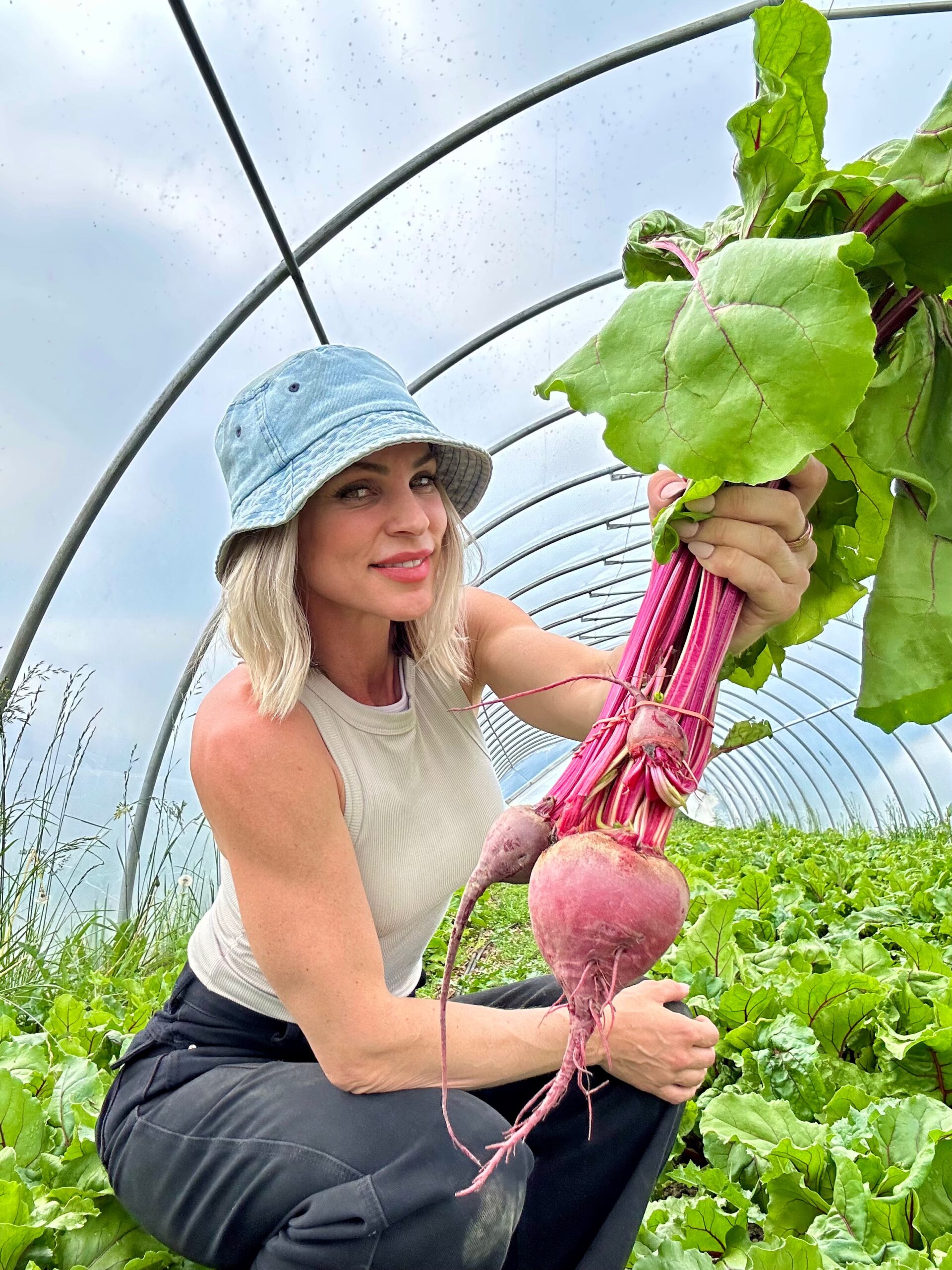
There is something remarkable about beets. Their deep ruby color hints at the powerful nutrients packed inside, and their earthy sweetness makes them one of nature’s most versatile foods. Whether eaten raw, roasted, juiced, pickled, or fermented, beets have earned their place among the healthiest foods you can eat.
As more people seek natural ways to support their health, beets stand out as an affordable, nutrient-dense food that can benefit nearly every system in the body.
Why Beets Are So Good for You
1. Support Heart Health
Beets are naturally rich in nitrates, compounds that the body converts into nitric oxide. Nitric oxide helps relax and widen blood vessels, improving circulation and supporting healthy blood pressure levels.
Many athletes also use beet juice before exercise because improved blood flow can increase endurance and oxygen delivery throughout the body.
2. Improve Energy and Stamina
If you are looking for a natural energy booster, beets may help. Studies have shown that dietary nitrates can improve exercise performance and reduce fatigue by helping muscles use oxygen more efficiently.
Instead of reaching for another cup of coffee, consider adding beets to your diet.
3. Help Detoxify the Liver
Beets contain betalains, powerful antioxidants responsible for their vibrant color. These compounds support the body’s natural detoxification processes and may help the liver process toxins more effectively.
The liver works tirelessly to filter and cleanse the blood. Including foods like beets can help support this vital organ.
4. Rich in Antioxidants
Free radicals can contribute to aging and chronic disease. Beets contain antioxidants that help combat oxidative stress and protect cells from damage.
Their antioxidant content makes them a valuable addition to an anti-inflammatory lifestyle.
5. Promote Digestive Health
Beets are a good source of fiber, which supports healthy digestion and regular bowel movements. Fiber also helps feed beneficial gut bacteria, contributing to a healthier microbiome.
A healthy gut is connected to stronger immunity, better nutrient absorption, and improved overall wellness.
6. Support Brain Function
Improved blood flow doesn’t only benefit the heart—it benefits the brain as well. Research suggests that the nitrates found in beets may help increase blood flow to areas of the brain associated with memory and cognitive function.
7. Provide Essential Nutrients
Beets contain:
- Folate (Vitamin B9)
- Potassium
- Manganese
- Iron
- Vitamin C
- Magnesium
- Fiber
These nutrients work together to support energy production, immune function, muscle health, and overall vitality.
Don’t Throw Away the Greens!
Many people discard beet greens, but they may be even more nutritious than the root itself.
Beet greens are rich in:
- Iron
- Vitamin K
- Vitamin A
- Vitamin C
- Magnesium
- Potassium
Use them just as you would spinach, kale, or Swiss chard.
Delicious Ways to Enjoy Beets
Roasted Beets
Roasting brings out the natural sweetness of beets.
Directions:
- Wash and trim beets.
- Drizzle with olive oil.
- Wrap in foil or place in a covered baking dish.
- Roast at 400°F (205°C) for 45–60 minutes.
- Peel and slice before serving.
Serve with goat cheese, walnuts, and balsamic vinegar for a simple and delicious salad.
Fresh Beet Salad
Ingredients:
- 2 raw beets, shredded
- 1 apple, shredded
- Juice of 1 lemon
- Handful of chopped parsley
- Salt and pepper to taste
Mix together and enjoy a refreshing, nutrient-rich salad.
Beet Smoothie
Blend:
- 1 small cooked beet
- 1 banana
- 1 cup berries
- 1 cup coconut water
- Ice
This makes a naturally sweet smoothie packed with antioxidants.
Fermented Beets: A Traditional Superfood
Fermentation increases beneficial probiotics and can improve digestion while preserving nutrients.
Simple Fermented Beets Recipe
Ingredients:
- 4 medium beets
- 1 tablespoon sea salt
- 4 cups filtered water
Instructions:
- Wash and peel beets.
- Cut into small cubes.
- Place in a clean glass jar.
- Dissolve salt in water to create a brine.
- Pour brine over beets until completely covered.
- Leave at least one inch of headspace.
- Use a fermentation weight or clean cabbage leaf to keep beets submerged.
- Cover with a fermentation lid or loose-fitting lid.
- Allow to ferment at room temperature for 5–10 days.
- Taste daily after day five.
- Refrigerate when desired flavor is reached.
These fermented beets make a delicious probiotic-rich side dish.
Beet Kvass: An Ancient Healing Tonic
Beet kvass is a traditional fermented beverage originating from Eastern Europe.
Beet Kvass Recipe
Ingredients:
- 2 large beets
- 1 tablespoon sea salt
- 6 cups filtered water
Instructions:
- Wash beets thoroughly.
- Cut into cubes (do not grate).
- Place in a half-gallon glass jar.
- Add salt.
- Fill with water.
- Cover loosely.
- Ferment for 5–7 days.
- Strain and refrigerate.
Drink 2–4 ounces daily as a tonic.
Many people enjoy beet kvass for digestive support, liver health, and overall wellness.
Growing Appreciation for God’s Design
It’s amazing how many powerful foods God placed within creation long before modern science understood their benefits. The humble beet is a perfect example. Packed with nutrients, antioxidants, fiber, and natural compounds that support circulation and vitality, this simple root vegetable reminds us that some of the best medicine can be found right in the garden.
As we become more intentional about where our food comes from and how it is grown, foods like beets encourage us to return to simpler, more natural ways of nourishing our bodies. Whether roasted fresh from the garden, fermented for gut health, or blended into a smoothie, beets are a delicious reminder that real food still matters.
Sometimes the smallest changes in our diet can have the biggest impact on our health. Adding beets to your weekly meal plan may be one of those changes.
