Claire Rae
  • Inspirations
    • Faith
      • Into the Deep
    • Lifestyle
      • Travel
      • Fashion
      • House & Home
      • Favourite Products
    • Health & Wellness
      • Ebooks & Coaching Services
        • Transformations
      • Nutrition
        • Recipe
      • Recovery
        • Supplements
  • Business
    • Marketing Management
    • Business Coaching
    • Photography
    • Contact
  • Coaching Services
  • RISE- Warrior Training
    • Members Only
  • SHOP
  • Inspirations
    • Faith
      • Into the Deep
    • Lifestyle
      • Travel
      • Fashion
      • House & Home
      • Favourite Products
    • Health & Wellness
      • Ebooks & Coaching Services
        • Transformations
      • Nutrition
        • Recipe
      • Recovery
        • Supplements
  • Business
    • Marketing Management
    • Business Coaching
    • Photography
    • Contact
  • Coaching Services
  • RISE- Warrior Training
    • Members Only
  • SHOP
Claire Rae
Tag:

claire rae

health and wellnessLivingNutritionRecipeRecovery

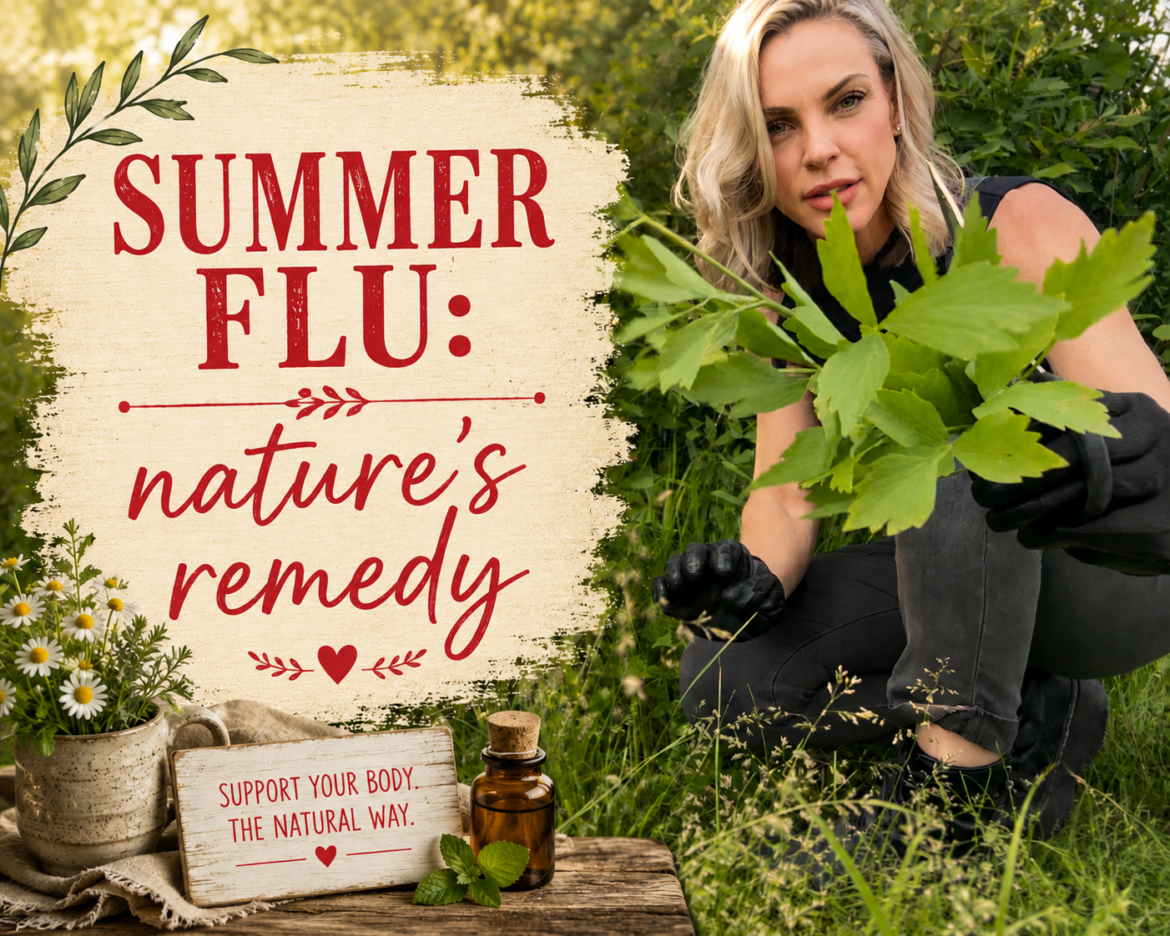
Summer Flu? Natural Remedies That May Help You Recover and Support Your Immune System

by Claire Rae June 15, 2026
written by Claire Rae

Just because the sun is shining doesn’t mean cold and flu season has completely disappeared. Summer viruses are surprisingly common, and many people find themselves battling sore throats, congestion, fatigue, headaches, body aches, and lingering coughs when they least expect it.

While no herb or supplement is a guaranteed cure for viral infections, God’s creation has given us an abundance of natural tools that may help support the immune system and encourage recovery when paired with good nutrition, adequate rest, and proper medical care when needed.

Here are some of my favorite natural supports for the summer flu season.

1. Lovage: An Old-Fashioned Herbal Treasure

Lovage is one of those forgotten herbs that deserves a place in every garden.

Rich in aromatic compounds and traditionally used throughout Europe, lovage has long been valued for supporting respiratory health and helping the body during seasonal illness. Many herbalists use it in broths and teas to encourage hydration and comfort congestion.

Fresh lovage leaves can be added to soups, while the roots can be simmered into nourishing broths.

Its celery-like flavor makes it both medicinal and delicious.

2. Oil of Oregano: Nature’s Powerful Defender

Oil of oregano has earned a reputation as one of nature’s strongest herbal allies.

It contains naturally occurring compounds such as carvacrol and thymol, which have been studied for their antimicrobial properties. Many people use oregano oil during cold and flu season to support immune function.

Because it is extremely potent:

  • Always dilute it properly.
  • Never take excessive amounts.
  • Follow product directions carefully.
  • Avoid prolonged use without guidance from a qualified healthcare practitioner.

A little goes a long way.

3. NAC: One of the Most Underrated Supplements

NAC stands for N-acetyl-L-cysteine.

It is a supplemental form of the amino acid L-cysteine, which your body uses to produce one of its most important antioxidants: glutathione.

Glutathione is often called the body’s “master antioxidant” because it helps protect cells from oxidative stress and supports detoxification processes throughout the body.

NAC has also been widely studied for its ability to help thin mucus and support respiratory health, making it especially popular during cold and flu season.

Potential benefits include:

  • Supporting glutathione production
  • Helping thin thick mucus
  • Supporting lung health
  • Promoting antioxidant defenses
  • Supporting immune function

As with any supplement, it’s important to consult your healthcare provider if you have medical conditions, take prescription medications, or are pregnant or breastfeeding.

4. Raw Honey: A Time-Tested Soother

Raw local honey has been treasured for generations.

It can be wonderfully soothing for irritated throats and coughs and contains naturally occurring enzymes and antioxidants.

One of my favorite remedies is:

  • 1 tablespoon raw honey
  • Fresh lemon juice
  • Warm water
  • Optional fresh grated ginger

It’s simple, comforting, and delicious.

Important: Never give honey to infants under one year of age because of the risk of infant botulism.

5. Zinc: A Key Mineral for Immune Health

Zinc plays a critical role in normal immune function.

Many people don’t realize that even mild zinc deficiency may impair the body’s immune response.

Foods naturally rich in zinc include:

  • Grass-fed beef
  • Pumpkin seeds
  • Oysters
  • Chickpeas
  • Lentils
  • Eggs

Some people also use zinc lozenges at the very beginning of cold symptoms, although quality and dosage vary between products.

6. Vitamin C: The Classic Immune Support

Vitamin C continues to be one of the most widely used nutrients during illness.

Excellent food sources include:

  • Citrus fruits
  • Strawberries
  • Kiwi
  • Bell peppers
  • Broccoli
  • Rose hips

Whole foods should always be the foundation whenever possible.

7. Garlic: Nature’s Kitchen Medicine

Fresh garlic has been used medicinally for centuries.

Its sulfur-containing compounds have been widely studied for their role in supporting immune health.

For those who tolerate it well, fresh crushed garlic added to soups and broths is a wonderful addition during illness.

8. Ginger: Comfort for the Whole Body

Fresh ginger tea can help soothe:

  • Sore throats
  • Nausea
  • Chills
  • Digestive discomfort

Simply slice fresh ginger into simmering water for 10–15 minutes and add honey after it cools slightly.

9. Bone Broth: Nourishment When You Need It Most

Sometimes healing isn’t complicated.

A slow-simmered bone broth provides:

  • Hydration
  • Minerals
  • Protein
  • Comfort when appetite is low

Add garlic, onions, lovage, parsley, thyme, and sea salt for an incredibly nourishing immune-supporting meal.

10. Don’t Underestimate Rest

One of the greatest healers is often the one we ignore.

Sleep.

Your immune system performs some of its most important work while you rest.

Turn off the screens… easier said than done.

Stay hydrated.

Spend time in prayer.

Eat nourishing food.

Allow your body the time it needs to recover.

My Favorite “Summer Flu Support” Tea

  • Fresh ginger
  • Fresh lovage leaves
  • Lemon slices
  • Raw honey
  • A pinch of cinnamon
  • Optional fresh thyme

Steep for 10 minutes and sip warm throughout the day.

11. Elderberry: A Time-Honored Immune Ally

Elderberry has been used in traditional herbal medicine for centuries and remains one of the most popular natural remedies during cold and flu season. Rich in naturally occurring anthocyanins and antioxidants, elderberries have been studied for their potential to support the immune system and help the body respond to seasonal illnesses.

Many people enjoy elderberry in the form of syrups, teas, tinctures, or gummies, but making your own syrup at home is a simple and rewarding way to keep this traditional remedy on hand.

Simple Homemade Elderberry Syrup

Ingredients:

  • 1 cup dried elderberries
  • 4 cups filtered water
  • 1 teaspoon cinnamon
  • 1 teaspoon fresh grated ginger (or ½ teaspoon dried)
  • 2–3 whole cloves (optional)
  • 1 cup raw local honey

Directions:

  1. Add the elderberries, water, cinnamon, ginger, and cloves to a saucepan.
  2. Bring to a gentle boil, then reduce to a simmer for 30–45 minutes, allowing the liquid to reduce by about half.
  3. Remove from heat and let cool until warm, not hot.
  4. Strain out the berries and spices.
  5. Stir in the raw honey until fully combined.
  6. Store in a glass jar in the refrigerator for up to several weeks.

Many families take elderberry syrup during periods of seasonal illness or increased exposure, while others simply enjoy it as part of their wellness routine.

A Few Important Notes

  • Only use properly prepared ripe elderberries from trusted sources. Raw or unripe elderberries, as well as the leaves, stems, and seeds in large quantities, can contain compounds that may be toxic if improperly prepared.
  • Elderberry is a supportive wellness tool—not a replacement for medical care or a cure for viral infections.
  • If you have an autoimmune condition, are pregnant or breastfeeding, or take prescription medications, consult your healthcare provider before using elderberry supplements regularly.

One of my favorite immune-supporting combinations is a warm cup of ginger and lovage tea with a spoonful of raw honey, paired with nourishing bone broth, plenty of fluids, restful sleep, and homemade elderberry syrup waiting in the fridge when the first signs of a summer bug appear.

Sometimes the simplest gifts from God’s creation are the ones that bring the greatest comfort.

Final Thoughts

Natural remedies can be wonderful tools to support the body, but they are not substitutes for professional medical care. If you experience difficulty breathing, persistent high fever, chest pain, dehydration, confusion, or symptoms that rapidly worsen, seek medical attention promptly.

I firmly believe God has filled His creation with incredible gifts that can nourish and support our health. Pair those gifts with wisdom, wholesome food, quality sleep, movement, gratitude, and prayer, and you’ll be giving your body every opportunity to recover and thrive.

“Beloved, I pray that you may prosper in all things and be in health, just as your soul prospers.” — 3 John 1:2 (NKJV)
June 15, 2026
0 FacebookTwitterPinterestLinkedinEmail
health and wellnessNutritionRecipe

The Mighty Beet: A Superfood Worth Adding to Your Plate

by Claire Rae June 1, 2026
written by Claire Rae

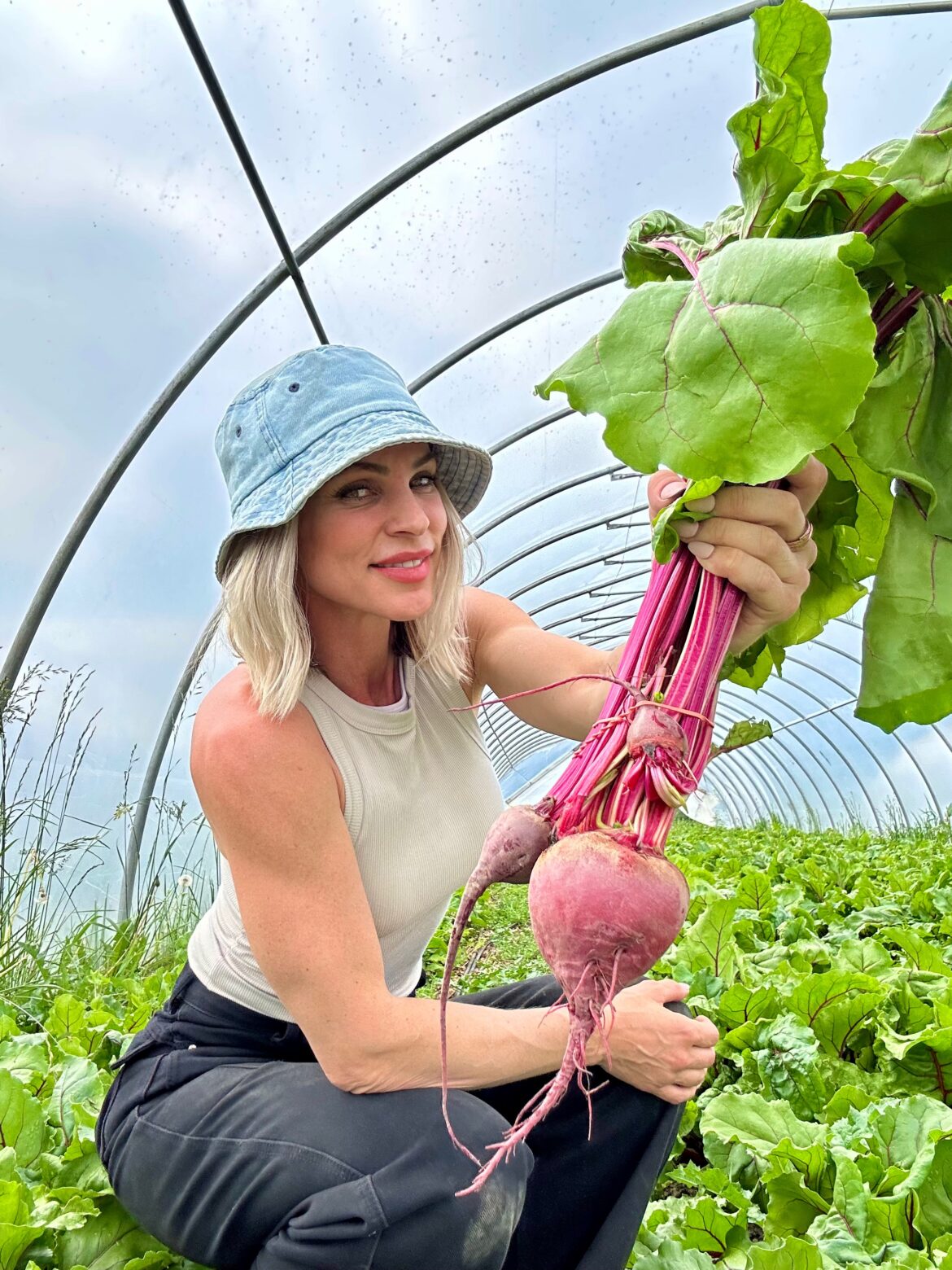
There is something remarkable about beets. Their deep ruby color hints at the powerful nutrients packed inside, and their earthy sweetness makes them one of nature’s most versatile foods. Whether eaten raw, roasted, juiced, pickled, or fermented, beets have earned their place among the healthiest foods you can eat.

As more people seek natural ways to support their health, beets stand out as an affordable, nutrient-dense food that can benefit nearly every system in the body.

Why Beets Are So Good for You

1. Support Heart Health

Beets are naturally rich in nitrates, compounds that the body converts into nitric oxide. Nitric oxide helps relax and widen blood vessels, improving circulation and supporting healthy blood pressure levels.

Many athletes also use beet juice before exercise because improved blood flow can increase endurance and oxygen delivery throughout the body.

2. Improve Energy and Stamina

If you are looking for a natural energy booster, beets may help. Studies have shown that dietary nitrates can improve exercise performance and reduce fatigue by helping muscles use oxygen more efficiently.

Instead of reaching for another cup of coffee, consider adding beets to your diet.

3. Help Detoxify the Liver

Beets contain betalains, powerful antioxidants responsible for their vibrant color. These compounds support the body’s natural detoxification processes and may help the liver process toxins more effectively.

The liver works tirelessly to filter and cleanse the blood. Including foods like beets can help support this vital organ.

4. Rich in Antioxidants

Free radicals can contribute to aging and chronic disease. Beets contain antioxidants that help combat oxidative stress and protect cells from damage.

Their antioxidant content makes them a valuable addition to an anti-inflammatory lifestyle.

5. Promote Digestive Health

Beets are a good source of fiber, which supports healthy digestion and regular bowel movements. Fiber also helps feed beneficial gut bacteria, contributing to a healthier microbiome.

A healthy gut is connected to stronger immunity, better nutrient absorption, and improved overall wellness.

6. Support Brain Function

Improved blood flow doesn’t only benefit the heart—it benefits the brain as well. Research suggests that the nitrates found in beets may help increase blood flow to areas of the brain associated with memory and cognitive function.

7. Provide Essential Nutrients

Beets contain:

  • Folate (Vitamin B9)
  • Potassium
  • Manganese
  • Iron
  • Vitamin C
  • Magnesium
  • Fiber

These nutrients work together to support energy production, immune function, muscle health, and overall vitality.

Don’t Throw Away the Greens!

Many people discard beet greens, but they may be even more nutritious than the root itself.

Beet greens are rich in:

  • Iron
  • Vitamin K
  • Vitamin A
  • Vitamin C
  • Magnesium
  • Potassium

Use them just as you would spinach, kale, or Swiss chard.

Delicious Ways to Enjoy Beets

Roasted Beets

Roasting brings out the natural sweetness of beets.

Directions:

  1. Wash and trim beets.
  2. Drizzle with olive oil.
  3. Wrap in foil or place in a covered baking dish.
  4. Roast at 400°F (205°C) for 45–60 minutes.
  5. Peel and slice before serving.

Serve with goat cheese, walnuts, and balsamic vinegar for a simple and delicious salad.

Fresh Beet Salad

Ingredients:

  • 2 raw beets, shredded
  • 1 apple, shredded
  • Juice of 1 lemon
  • Handful of chopped parsley
  • Salt and pepper to taste

Mix together and enjoy a refreshing, nutrient-rich salad.

Beet Smoothie

Blend:

  • 1 small cooked beet
  • 1 banana
  • 1 cup berries
  • 1 cup coconut water
  • Ice

This makes a naturally sweet smoothie packed with antioxidants.

Fermented Beets: A Traditional Superfood

Fermentation increases beneficial probiotics and can improve digestion while preserving nutrients.

Simple Fermented Beets Recipe

Ingredients:

  • 4 medium beets
  • 1 tablespoon sea salt
  • 4 cups filtered water

Instructions:

  1. Wash and peel beets.
  2. Cut into small cubes.
  3. Place in a clean glass jar.
  4. Dissolve salt in water to create a brine.
  5. Pour brine over beets until completely covered.
  6. Leave at least one inch of headspace.
  7. Use a fermentation weight or clean cabbage leaf to keep beets submerged.
  8. Cover with a fermentation lid or loose-fitting lid.
  9. Allow to ferment at room temperature for 5–10 days.
  10. Taste daily after day five.
  11. Refrigerate when desired flavor is reached.

These fermented beets make a delicious probiotic-rich side dish.

Beet Kvass: An Ancient Healing Tonic

Beet kvass is a traditional fermented beverage originating from Eastern Europe.

Beet Kvass Recipe

Ingredients:

  • 2 large beets
  • 1 tablespoon sea salt
  • 6 cups filtered water

Instructions:

  1. Wash beets thoroughly.
  2. Cut into cubes (do not grate).
  3. Place in a half-gallon glass jar.
  4. Add salt.
  5. Fill with water.
  6. Cover loosely.
  7. Ferment for 5–7 days.
  8. Strain and refrigerate.

Drink 2–4 ounces daily as a tonic.

Many people enjoy beet kvass for digestive support, liver health, and overall wellness.

Growing Appreciation for God’s Design

It’s amazing how many powerful foods God placed within creation long before modern science understood their benefits. The humble beet is a perfect example. Packed with nutrients, antioxidants, fiber, and natural compounds that support circulation and vitality, this simple root vegetable reminds us that some of the best medicine can be found right in the garden.

As we become more intentional about where our food comes from and how it is grown, foods like beets encourage us to return to simpler, more natural ways of nourishing our bodies. Whether roasted fresh from the garden, fermented for gut health, or blended into a smoothie, beets are a delicious reminder that real food still matters.

Sometimes the smallest changes in our diet can have the biggest impact on our health. Adding beets to your weekly meal plan may be one of those changes.

June 1, 2026
0 FacebookTwitterPinterestLinkedinEmail
LifeLivingNutrition

Comfort is the enemy of progress.

by Claire Rae May 18, 2026
written by Claire Rae

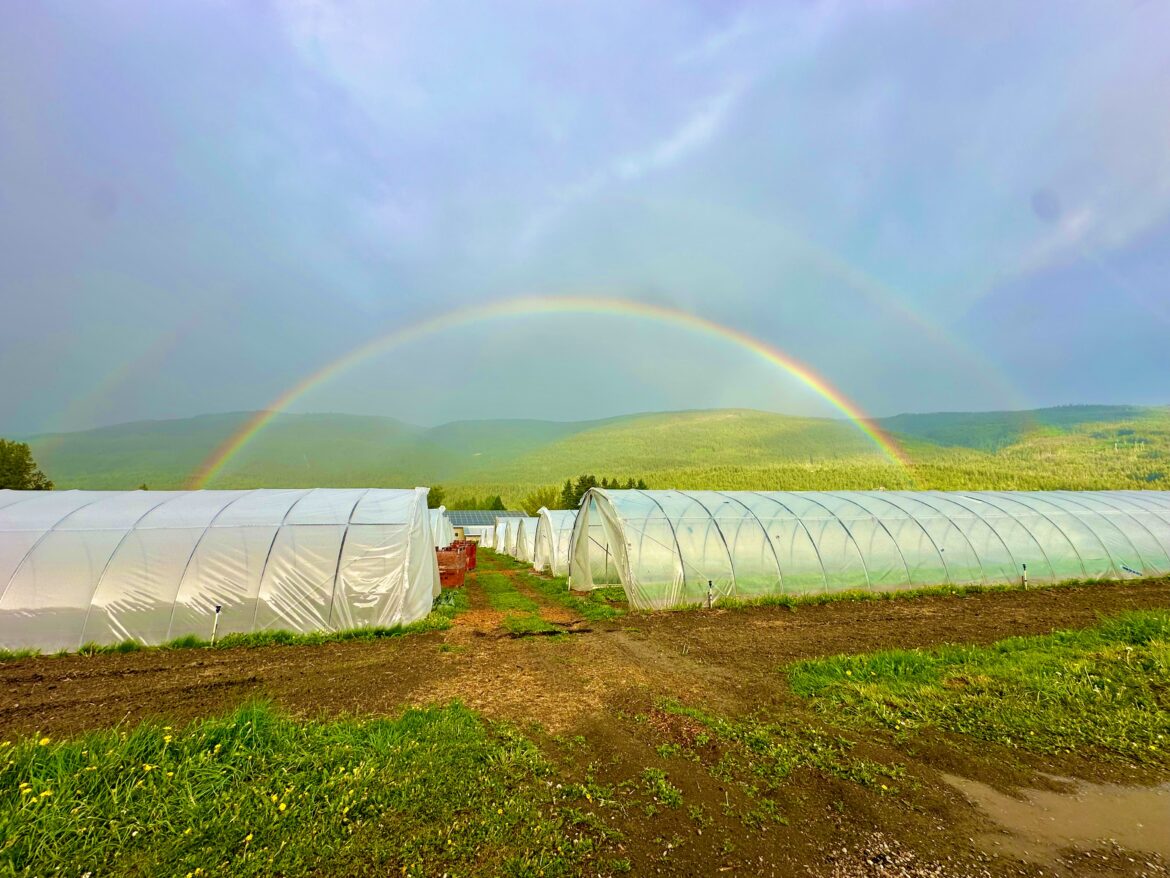
As you may know I’ve been on the healing journey for the last few years and part of God’s restoration plan was for me to start working with an organic farm. The soil, the food, the physical strengthening and the community I didn’t know I needed was all part of His master plan. Since then my learning curve has been intense in all departments but the value is far greater than I ever learned in university or any other formal education I’ve endured.

There’s something about summer on the farm that changes you. The long days, the early mornings, the dirt under your nails, and the constant reminder that growth takes time, patience, and hard work. As I continue learning the ins and outs of organic farming, I find myself more grateful than ever to be right in the heart of it all—to witness firsthand what it takes to grow real food and to be surrounded by people who genuinely care about the land, the animals, and the future of our communities.

Organic farming has opened my eyes in ways I never expected. It’s one thing to walk through a grocery store and grab whatever looks fresh on the shelf, but it’s another thing entirely to understand the labor, sacrifice, and stewardship that goes into producing healthy food naturally. Every seed planted carries hope. Every harvest reflects months of unseen effort. And every local farmer is fighting an uphill battle to provide food that nourishes rather than harms.

The more I learn, the more I realize how important it is to get local when choosing our food. Supporting local farms is about so much more than buying produce from a roadside stand or visiting a farmers market on the weekend. It’s about investing in your own health, your local economy, and the future of the next generation. It’s about knowing where your food comes from, how it was raised, and who worked tirelessly to bring it to your table.

We live in a world built on convenience. Fast food, processed meals, online grocery orders, and shortcuts have become normal. Convenience feels good in the short term because it saves time and effort, but the long-term effects on our bodies, communities, and the world around us are far greater than most people realize. Cheap food often comes at a hidden cost—declining health, weakened local economies, damaged soil, and food systems controlled by corporations rather than communities.

Comfort can easily become the enemy of progress. Growth rarely happens in places of ease. It happens when we are willing to change our habits, ask questions, learn new skills, and make intentional choices. Choosing local food may take more effort. Growing your own garden may require sacrifice. Shopping at a farmers market instead of grabbing the quickest option may not always feel convenient. But every small decision matters.

The effort we make today creates ripple effects tomorrow. Supporting local farmers keeps communities alive. Learning how food is grown reconnects us to creation. Teaching our children where food comes from gives them a stronger foundation for the future. And caring about the quality of what we put into our bodies is one of the greatest forms of stewardship we can practice.

I feel incredibly blessed to be surrounded by people who are passionate about organic farming and sustainable living. Being part of this farming community has reminded me that real change starts close to home. It starts in our kitchens, our gardens, our conversations, and our willingness to participate instead of remaining passive consumers.

This summer I again get the opportunity to participate in my local community in new ways as the learning continues. There’s honestly so much more than you would think at first glance. It’s beyond comprehensive and would take a lifetime to master. I honestly get my mind blown on the daily. The beauty of farming is that it constantly reminds us that what we sow today will eventually become tomorrow’s harvest. It also involves a lot of faith to continue on when you get tired or things don’t go as planned, as they often don’t. I love watching God work things out with all the elements at play, its incredibly useful in teaching God’s goodness and love for us in the way we get to watch God grow things from the seeds we plant. I just think, WOW! God made such a cool planet and ecosystem.

So as summer unfolds, I encourage you to get involved where you are. Visit a local farm. Grow something, even if it’s small. Ask questions. Support local businesses. Learn about your food. Step outside the cycle of convenience and into something more meaningful. You may discover that the extra effort doesn’t just change your health—it changes your perspective, your community, and your future.

May 18, 2026
0 FacebookTwitterPinterestLinkedinEmail
FaithInspirationsRecovery

The process

by Claire Rae March 26, 2026
written by Claire Rae

There Is No Shortcut

Over the past few years, I’ve met so many new believers as the world continues along what I can only describe as a prophetic trajectory. For those unfamiliar with that language, I’m referring to the Bible and what it says about the last days. There are many ways people try to explain what’s happening in the world right now, but Scripture is very clear—things will grow darker. People will become more selfish, and what is evil will be called good, and what is good will be called evil. And here we are.

Honestly, I never thought I would see things escalate to this level in my lifetime—but I’m here for it. There’s actually a deep peace in knowing that God told us beforehand so we wouldn’t be afraid. Instead of being anxious, we are invited to draw closer to Him as He continues to unfold His truth. I find so much joy in reading His Word daily, learning, and not being caught off guard by what’s happening.

In this blog, I want to encourage those who are newer in their faith. When you first decide to follow Jesus, it can feel confusing. There’s more to this journey than you may realize at the start—but trust this: He will never leave you. He leads you step by step.

That said, it won’t always be easy.

There will be hard seasons. You may lose friendships, and even relationships with family members may change. Not everyone is ready to receive the truth of God’s Word. Some people will twist Scripture to justify how they want to live—I know this because I used to do it myself before I truly understood.

But God, in His mercy, doesn’t leave us there. Little by little, He reveals truth to us. He invites us to follow Him more deeply, and at times, He disciplines us so we can understand the weight and truth of His Word. Every time He speaks, it’s an invitation to go deeper.

Don’t be afraid of that.

This journey is deeply personal between you and God. While others may walk alongside you at different points, there will be moments where your love for Him is tested. That’s the core of it all—loving God above everything else. At the end of the day, He is the One we answer to, so it’s vital that we align our priorities accordingly.

So, stay rooted in His Word. Read it whenever you can—you will need it. The more you read, the more it will reveal what’s happening in your own heart, in the spiritual realm, and in the world around you. Will you understand everything? No. But the closer you grow to the One who does, the more He will reveal—and with that comes a peace and joy that you will need, especially as the days grow more intense.

This leads into something so important: the journey of sanctification.

In many ways, sanctification becomes a new lifestyle. It’s a process of healing from what we once thought was normal in this world. It’s God restoring us back to His original design—to live in alignment with Him and in true harmony with others. It is, in my opinion, the most complete and holistic healing journey a person can experience.

You may be surprised—just as I have been—by the things God asks you to let go of, and the ways your life begins to change. When I look back at how I lived 10 years ago compared to now, the difference is profound. Some of that is natural growth, yes—but much of it is God refining my life.

In a world overflowing with information and opinions, we need discernment more than ever. There are things being promoted as “normal” or even “good” that, deep down, you can sense are off. This isn’t about opinions—it’s about truth. It’s about aligning our lives with God’s Word and allowing Him to shape us through real, lived experience.

There will be challenges. There will be resistance. At times, there may even be persecution. This journey isn’t temporary—sanctification is lifelong. But the benefits go far beyond what we can fully put into words. Yes, there is the promise of eternity with God—but there is also transformation, freedom, and deep, abiding peace here and now.

We are saved by faith in Jesus—but we are also called to walk with Him daily after we say yes. It’s a relationship. In fact, it’s the most important relationship you will ever have.

Like any relationship, it requires closeness, consistency, and intimacy. No marriage thrives without intentional time together—and the same is true here.

This is the first covenant. The foundation for everything else.

So it is as we walk in the process of sanctification we realize it is not a moment—it’s a process, a relationship of unperfected us trying to relate and be in relationship with a perfect partner, God, Master, Husband, Teacher, Creator, Boss… you get the point. We realize quickly that we don’t really measure up. So He helps us, first by showing us things not so good in us and so it starts. A refining. A continual unfolding of truth where God, in His mercy, reveals what needs to change, layer by layer. And the reality is this: there is no escape from the process if you truly desire to walk with Him. You can delay it, resist it, or ignore it for a time—but if you belong to Him, He will faithfully bring you through it.

The Bible makes this clear:

“He who began a good work in you will carry it on to completion until the day of Christ Jesus.” — Philippians 1:6

God doesn’t start something He doesn’t intend to finish.

It Starts With hearing what He wants you to do, this can be a nudge of conscience, reading The Word or a deep knowing ( Backed by The Word)—But It Doesn’t End There

For many, sanctification begins with a major, visible change. Maybe it’s quitting drinking, walking away from destructive habits, or choosing a different lifestyle altogether. And while that step is powerful, it’s only the beginning.

When I first started, it felt like a steep shift into what I thought was a “healthy” life. But I quickly realized something important:

Just because you stop one harmful behavior doesn’t mean you are fully living in health.

You quit drinking—but then you realize your diet is still harming your body.
You clean up your eating—but then you notice your thoughts are still negative, anxious, or prideful.
You begin renewing your mind—but then your reactions, your words, your heart posture get exposed.

Sanctification is comprehensive. God is not just after behavior—He is after transformation.

“Let us throw off everything that hinders and the sin that so easily entangles.” — Hebrews 12:1

Notice it doesn’t just say sin—it says everything that hinders.

God Reveals in Layers

One of the most humbling parts of this journey is realizing that God doesn’t show you everything at once. If He did, it would overwhelm you. Instead, He reveals things in seasons.

You deal with one area, grow through it, and then He gently puts His finger on something deeper.

It might look like:

  • First, your habits
  • Then, your health
  • Then, your thought life
  • Then, your words
  • Then, your motives

Each layer brings you closer to who He created you to be.

“Search me, God, and know my heart… See if there is any offensive way in me.” — Psalm 139:23–24

Sanctification requires a willing heart that invites God to search deeper.

The Renewal of the Mind Is Key

At some point, the process shifts from external change to internal transformation. You realize that true freedom isn’t just about what you do—it’s about how you think.

“Do not conform to the pattern of this world, but be transformed by the renewing of your mind.” — Romans 12:2

This is where many people get stuck. It’s easier to change actions than it is to surrender thoughts. But God will not stop at surface-level change—He wants truth rooted deep within you.

There Is No Escaping It—Only Walking Through It

If you try to avoid the process, you’ll often find yourself going in circles—facing the same struggles, the same convictions, the same nudges from the Holy Spirit.

That’s not punishment. That’s love.

God is committed to your freedom and I am a witness who has made many mistake, yet He keeps guiding, teaching and restoring and taking me deeper yet by His mercy and grace. Although I have been knocked down plenty, He keeps helping me get back up.

“For the Lord disciplines the one He loves.” — Hebrews 12:6

“For a righteous man may fall seven times and rise again, But the wicked shall fall by calamity” – Proverbs 24: 16-18

Sanctification can feel uncomfortable because it stretches you, corrects you, and calls you higher. But it is always leading you into greater peace, clarity, and alignment with God.

From Behavior Modification to Heart Transformation

What begins as “I need to stop doing this” eventually becomes:

  • “Why do I think this way?”
  • “Why do I react like this?”
  • “What is rooted in my heart?”

This is where real change happens.

God doesn’t just want you sober—He wants you whole.
Not just disciplined—but transformed.
Not just outwardly “good”—but inwardly renewed.

The Beauty of the Process

Even though sanctification is challenging, it is also deeply beautiful. It means God is actively working in you. It means He hasn’t left you where you were.

Every conviction is an invitation.
Every correction is refinement.
Every step forward is grace in motion.

“And we all… are being transformed into His image with ever-increasing glory.” — 2 Corinthians 3:18

Final Thought

You don’t need to have it all figured out. You just need to be willing to walk with God through each stage.

Say yes when He highlights something.
Surrender when He asks you to let go.
Trust Him when it feels uncomfortable.

Because sanctification isn’t about perfection—it’s about becoming.

And He is faithful to complete what He started.

If you feel you need help to understand or someone to come along and talk you through some of these things, feel free to reach out for coaching.

-God Bless

March 26, 2026
1 FacebookTwitterPinterestLinkedinEmail
health and wellnessNutritionRecovery

Sugar- Is it worth it?

by Claire Rae February 17, 2026
written by Claire Rae

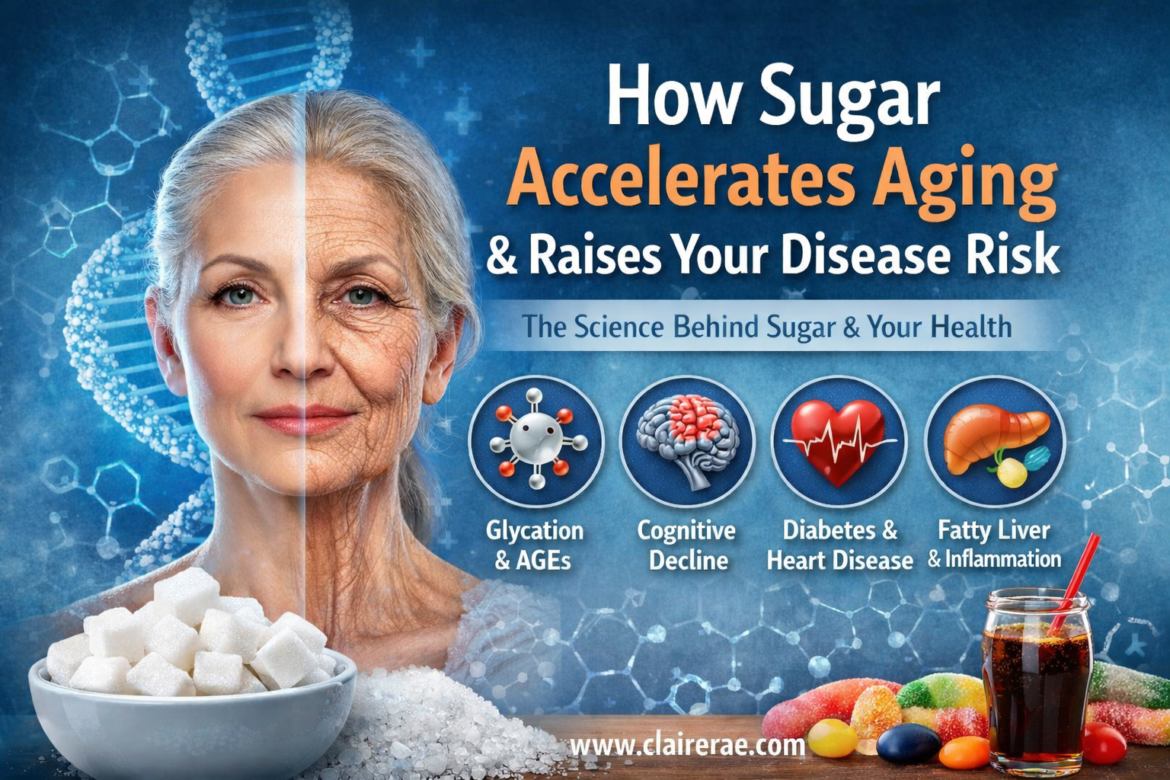
How Sugar Accelerates Aging and Raises Your Disease Risk

The Sweet Truth Behind the Bitter Health Consequences

We all enjoy a sweet treat now and then — whether it’s dessert after dinner, a sugary latte, or a can of soda on a hot day. But beneath that pleasurable taste lies a biological reality: excess added sugar can accelerate aging and significantly increase the risk of chronic disease. Scientific research continues to uncover just how deeply sugar affects our cells, hormones, skin, brain, and long-term health.


What Sugar Does in Your Body

  1. Formation of Harmful Molecules — AGEs

When sugar circulates in the bloodstream at high levels — especially glucose and fructose — it reacts with proteins and fats in a process called glycation. This reaction produces advanced glycation end products (AGEs) — toxic compounds that accumulate in tissues. AGEs alter the structure and function of proteins like collagen and elastin, making tissues stiffer and less resilient. In skin, this accelerates wrinkles and sagging; in blood vessels, it contributes to arterial stiffness and cardiovascular risk. (biomednutrition.com)

AGEs also stimulate oxidative stress and chronic inflammation — two biological hallmarks of aging and disease. (ScienceInsights)


Sugar and Cellular Aging

Scientists now use measures like epigenetic clocks — chemical markers on DNA that shift with age — to estimate how diet affects biological aging (which can differ from your actual age). Higher added sugar intake is linked with accelerated biological aging, even when the rest of the diet is healthy. (Home)

One study suggested that reducing added sugar by just 10 grams a day could be akin to turning back your biological clock by several months. (ScienceAlert)


Brain Health and Cognition

High sugar diets don’t just affect muscles and skin — they also impact the brain. Studies have linked excessive sugar consumption to inflammation and metabolic dysfunction in the central nervous system. These processes are implicated in cognitive decline and neurodegenerative diseases like Alzheimer’s. (PubMed)

Some observational research also points to higher dementia risk among people with high added sugar diets. (EatingWell)


Chronic Disease Risk

  1. Type 2 Diabetes and Insulin Resistance

Sugar spikes blood glucose and prompts repeated insulin release. Over time, cells can become less responsive to insulin — a condition called insulin resistance, which is a major precursor to type 2 diabetes. (Healthline)

  1. Heart Disease

Excess sugar is associated with unfavorable changes in blood fat metabolism — including increased triglycerides and LDL (“bad”) cholesterol — which promote atherosclerosis and cardiovascular disease. (Healthline)

  1. Fatty Liver Disease

The liver metabolizes fructose (a component of many added sugars) into fats when in excess, contributing to fatty liver disease, inflammation, and metabolic dysfunction. (Verywell Health)

  1. Chronic Inflammation

High sugar intake triggers a persistent, low-grade inflammatory state — involving cytokines and immune signaling molecules — which underpins insulin resistance, obesity, and chronic diseases like heart disease and arthritis. (PMC)


Visible Signs of Aging — It’s Not Just Wrinkles

Skin health is often the most visible sign people notice when they change their diet. Sugar-induced AGEs cross-link collagen and elastin fibers, reducing elasticity and accelerating wrinkle formation. Elevated blood glucose levels correlate with older-looking skin and loss of youthful tone. (biomednutrition.com)

But the effects go deeper: glycation also affects repair mechanisms and contributes to oxidative stress, further damaging skin cells and slowing healing. (biomednutrition.com)


A Lifelong Perspective: Early Exposure Matters

Emerging research suggests that early life exposure to high sugar diets may predispose individuals to diabetes and high blood pressure later in life, highlighting lifelong impact beyond just immediate metabolic effects. (National Institutes of Health (NIH))


So, Should You Cut Out Sugar Completely?

Not necessarily — it’s about moderation and awareness. The key concern is added sugar — the extra sugar in processed foods, sugary drinks, and sweets — rather than naturally occurring sugars in fruits and dairy, which come packaged with nutrients and fiber.

Major health organizations recommend limiting added sugar intake to well below 10% of total daily calories, with some guidelines (e.g., American Heart Association) suggesting even stricter limits. Reducing your sugar intake can slow biological aging and lower disease risk substantially, especially when combined with an overall nutrient-rich diet.


 Practical Tips to Reduce Sugar and Support Healthy Aging

  • Choose whole foods over processed packages.
  • Read labels carefully — sugar hides under many names.
  • Replace sugary drinks with water, herbal tea, or infused water.
  • Focus on anti-inflammatory foods like leafy greens, nuts, and omega-3 sources.
  • Balance meals with protein and fiber to stabilize blood sugar.


 Final Takeaway

Sugar doesn’t just feed your sweet tooth — it feeds biological processes that accelerate aging and raise the risk of chronic illness. From cellular DNA changes and collagen damage to inflammation and metabolic dysfunction, scientific evidence paints a clear picture: too much added sugar ages you faster and increases the risk of disease.

By being mindful of sugar intake and prioritizing nutrient-dense foods, you can support healthier aging — inside and out.


References:

Advanced Glycation End Products (AGEs) & Aging

  1. Singh, R., Barden, A., Mori, T., & Beilin, L. (2001). Advanced glycation end-products: A review. Diabetologia, 44(2), 129–146. https://doi.org/10.1007/s001250051591
  2. Goldin, A., Beckman, J. A., Schmidt, A. M., & Creager, M. A. (2006). Advanced glycation end products: Sparking the development of diabetic vascular injury. Circulation, 114(6), 597–605. https://doi.org/10.1161/CIRCULATIONAHA.106.621854
  3. Gkogkolou, P., & Böhm, M. (2012). Advanced glycation end products: Key players in skin aging? Dermato-Endocrinology, 4(3), 259–270. https://doi.org/10.4161/derm.22028


Sugar, Inflammation & Oxidative Stress

  1. Calder, P. C., Ahluwalia, N., Brouns, F., et al. (2011). Dietary factors and low-grade inflammation in relation to overweight and obesity. British Journal of Nutrition, 106(S3), S5–S78. https://doi.org/10.1017/S0007114511005460
  2. Aeberli, I., Gerber, P. A., Hochuli, M., et al. (2011). Low to moderate sugar-sweetened beverage consumption impairs glucose and lipid metabolism. American Journal of Clinical Nutrition, 94(2), 479–485. https://doi.org/10.3945/ajcn.111.013540Sugar & Cardiovascular Disease
  1. Yang, Q., Zhang, Z., Gregg, E. W., et al. (2014). Added sugar intake and cardiovascular disease mortality among US adults. JAMA Internal Medicine, 174(4), 516–524. https://doi.org/10.1001/jamainternmed.2013.13563
  2. Stanhope, K. L. (2016). Sugar consumption, metabolic disease and obesity. Physiology & Behavior, 162, 66–73. https://doi.org/10.1016/j.physbeh.2016.03.009


Sugar, Insulin Resistance & Type 2 Diabetes

  1. Imamura, F., O’Connor, L., Ye, Z., et al. (2015). Consumption of sugar-sweetened beverages and incidence of type 2 diabetes. BMJ, 351, h3576. https://doi.org/10.1136/bmj.h3576
  2. Malik, V. S., Popkin, B. M., Bray, G. A., et al. (2010). Sugar-sweetened beverages and risk of metabolic syndrome and type 2 diabetes. Diabetes Care, 33(11), 2477–2483. https://doi.org/10.2337/dc10-1079


Fructose & Fatty Liver Disease

  1. Lim, J. S., Mietus-Snyder, M., Valente, A., et al. (2010). The role of fructose in the pathogenesis of NAFLD and metabolic syndrome. Nature Reviews Gastroenterology & Hepatology, 7, 251–264. https://doi.org/10.1038/nrgastro.2010.41
  2. Softic, S., Cohen, D. E., & Kahn, C. R. (2016). Role of dietary fructose and hepatic de novo lipogenesis in fatty liver disease. Digestive Diseases and Sciences, 61, 1282–1293. https://doi.org/10.1007/s10620-016-4054-0


Sugar & Brain Health / Cognitive Decline

  1. Beilharz, J. E., Maniam, J., & Morris, M. J. (2015). Diet-induced cognitive deficits: The role of inflammation. Molecular Neurobiology, 51, 1243–1253. https://doi.org/10.1007/s12035-014-8746-1
  2. Kerti, L., Witte, A. V., Winkler, A., et al. (2013). Higher glucose levels associated with lower memory and reduced hippocampal structure. Neurology, 81(20), 1746–1752. https://doi.org/10.1212/01.wnl.0000435561.00234.ee


Sugar & Biological Aging (Epigenetic Aging)

  1. Liu, Z., Kuo, P.-L., Horvath, S., et al. (2020). A new aging measure captures morbidity and mortality risk across diverse populations. Nature Communications, 11, 3169. https://doi.org/10.1038/s41467-020-17312-3
  2. Chandrasekaran, S., et al. (2023). Associations between dietary added sugar intake and epigenetic aging markers. American Journal of Clinical Nutrition. (Recent research linking added sugar to accelerated biological aging.)
February 17, 2026
0 FacebookTwitterPinterestLinkedinEmail
Faithhealth and wellnessLifeRecovery

Protect your peace

by Claire Rae February 13, 2026
written by Claire Rae

Staying Balanced in a World That Feels Unsteady

Finding peace, resilience, and grounded strength during global trauma

It’s hard to scroll the news or social media without feeling the weight of the world. Wars, natural disasters, economic instability, political tension, community violence—layer upon layer of collective trauma can leave us feeling overwhelmed, anxious, and emotionally exhausted.

Even if the events aren’t happening in your backyard, your nervous system doesn’t always know the difference. The body absorbs what the eyes see and the ears hear. Over time, constant exposure to distressing information can create what psychologists call vicarious trauma—emotional strain from witnessing suffering, even at a distance.

If you’re feeling heavy right now, you’re not weak. You’re human.

The good news? You can care deeply about the world and still protect your peace. You can stay informed without being consumed. You can remain compassionate without burning out.

Here’s how to stay balanced during hard seasons.


1. Guard Your Nervous System/ In other words “Guard your Heart- Proverbs 4:23”

Your nervous system was not designed for 24/7 breaking news.

When you consume traumatic content continuously, your body may shift into a chronic stress state—fight, flight, freeze, or fawn. Over time, this can lead to:

  • Sleep disruption
  • Digestive issues
  • Increased anxiety
  • Irritability
  • Emotional numbness

Practical steps:

  • Set specific times to check the news (once or twice a day).
  • Avoid doom-scrolling before bed.
  • Replace one news check with a grounding practice (deep breathing, stretching, prayer, or a short walk).

Balance awareness with boundaries.


2. Come Back to What You Can Control- Use your power, love and self-control provided by the Holy Spirit that lives in you. 

Global events are often outside our personal control. When the world feels chaotic, narrow your focus on Jesus.

Ask yourself:

  • What is within my reach today?
  • Who can I support right now?
  • What small action would align with my values?
  • Pray for wisdom and peace

Maybe it’s donating, volunteering, checking in on a friend, supporting a local farmer, or simply raising compassionate children. Small, tangible action restores a sense of agency.

You don’t have to solve the world to make a difference.


3. Stay Rooted in Your Body

Trauma lives in the body—not just in the mind.

To stay balanced, you need embodied practices that regulate your stress response:

  • Slow breathing (inhale 4, exhale 6)
  • Strength training or walking
  • Time outdoors
  • Nourishing whole foods
  • Adequate sleep
  • Keep your hygiene practices steady
  • Read scriptures like Psalm 91 out loud
  • Put calming praise and worship music on.
  • Have a bath
  • Allow for tears to fall as they are one of thew ways the body cleanses itself from grieve.
  • Acknowledge the pain felt to someone trust worthy- If no one near, call a help line, there’s no shame in needing to talk. We all do.

When your body feels stable, your thoughts follow.

If you’ve already built habits around physical resilience—farming, fitness, whole foods, time outside—lean into them. Hard seasons are not the time to abandon what keeps you strong.


4. Cultivate Safe Connection

Isolation magnifies fear.

Hard seasons require community—real, grounded, safe community. Not just online commentary, but genuine human presence.

  • Share meals.
  • Pray together.
  • Have honest conversations.
  • Limit reactive debate and choose meaningful dialogue.
  • Allow for other peoples grieve as a way of support of what you feel and be there for someone else experiencing grief. 
  • Remember when you feel alone, you aren’t. Jesus is with you always and is close to the broken hearted. He knows the pain because it also pains Him. He was left alone in the hardest thing anyone would have to go through, trust me, He knows your pain and you are never alone. 

Connection reminds your nervous system that you are not alone.


5. Hold Grief Without Losing Hope

It is okay to grieve what’s happening in the world.

You can:

  • Pray for peace.
  • Sit with sadness.
  • Take your time.

And still choose hope.

Hope is not denial. It is disciplined vision.

It’s the decision to believe that even in darkness, goodness still exists—kindness still spreads—healing is still possible.

Hard seasons refine us. They clarify our values. They strengthen our resilience. They remind us what truly matters.


6. Anchor in Faith and Meaning

During collective trauma, people instinctively look for something solid to stand on.

Whether your anchor is faith in God, deep spiritual practice, service to others, or a strong personal mission—root yourself there.

When everything feels unstable, return to:

  • Gratitude
  • Scripture from the Holy Bible
  • Journaling
  • Quiet reflection
  • Purpose-driven action
  • Rest and choose to believe in God’s power to complete good work in the midst of turmoil.

Inner stability does not come from perfect circumstances. It comes from a steady foundation.


7. Protect Joy Without Guilt

One of the most common responses to global trauma is survivor’s guilt:

“How can I feel joy when others are suffering?”

But joy is not disrespect. Joy is fuel.

Laughing with your children.
Harvesting food.
Celebrating milestones.
Building strength in the gym.
Creating art.

These acts don’t diminish suffering—they remind the world that life continues.

Choosing joy is an act of quiet resistance against despair. God says in Ecclesiastes that there is a time for everything under the sun and this time on earth is short but we who believe in Jesus Christ will live forever with him in a perfect place together and it will be beyond amazing and we will forget about all the terrible here. Just the thought of that brings me joy in any storm. 


8. Remember: Seasons Change

History shows us that humanity moves through cycles of conflict, rebuilding, hardship, and renewal.

This season will not last forever.

You may not control the headlines.
But you can control:

  • Your habits
  • Your home
  • Your health
  • Your heart posture

Stay steady.
Stay grounded.
Stay disciplined in hope.


Final Thoughts

You don’t have to carry the whole world on your shoulders.

Care deeply.
Act wisely.
Protect your peace.
Strengthen your body.
Nourish your spirit.
Love your people well.

Hard seasons reveal what we’re built on.

Let this one build you—not break you.

I am praying for you. If you need support or you are feeling alone on your faith journey you are welcome to join my zoom meetings. Just go to the RISE page and join my newsletter where we are doing weekly prayer together. You are never alone and we all feel this heavy season. May the peace of God come upon you as you finish reading this post. Jesus loves you. 

February 13, 2026
2 FacebookTwitterPinterestLinkedinEmail
AdventuresFaithInto the deepLifeTraining

Next level

by Claire Rae October 27, 2025
written by Claire Rae

Every Chapter has it’s lessons and it’s glory. This season was full of all of it.

Continue reading
October 27, 2025
2 FacebookTwitterPinterestLinkedinEmail
FaithFitnesshealth and wellnessRiseTraining

RISE- Warrior Training

by Claire Rae October 1, 2025
written by Claire Rae

It's time to RISE in 2026

We are talking about what most other health coaches and doctors aren’t willing to talk about. Not all health issues are merely physical or mental, some things are spiritual. Science calls it inherited or bad habits or environmental and all though much of that is true, it doesn’t give the full picture and full range of healing ability. Some things need a deeper look and a Godly perspective to really get to the bottom of it. Some things  you just can’t seem to break on your own, but God gives us a different perspective and He gives us answers that the science and healthcare industry doesn’t want to acknowledge. We will be talking about these things and more. We get together weekly to talk about the topics at hand over zoom. Join us, and bring your health, and spiritual questions.  right now and open to all who believe there’s more.​


Coming soon…….

Keep posted for our next mountain top gathering. 
October 1, 2025
2 FacebookTwitterPinterestLinkedinEmail
Faithhealth and wellnessInspirationsLifeTransformations

The Legend- A testimony of a life transformed

by Claire Rae March 4, 2025
written by Claire Rae

This was a different kind of post for me but I truly felt led to share  this story. Today, I lost another friend that although had changed their life in terms of drug addiction and alcoholism, they  were dealing with the long term effects and eventually succumb to illness and passed away.  It grieves me to see so many people waiting so long to get free and how it hurts so many people but with this story there is hope and with God all things are possible. 

Continue reading
March 4, 2025
1 FacebookTwitterPinterestLinkedinEmail
FaithLife

Where from here

by Claire Rae October 11, 2024
written by Claire Rae

This last week has been a whirlwind of emotions. Honestly when things like this happen I usually want to curl up, and just stay in bed for a few days and just sob. For some of you who follow me on social media, you will know that I lost two very close friends of mine in the same day both completely unrelated or from the same family or friend group but nonetheless many people know both of these gentlemen. They were both roommates of mine at different times and they were dear to my life. I always pray for my friends and family and these names are heavy in my prayer journals for it seems like a lifetime…..

Continue reading
October 11, 2024
0 FacebookTwitterPinterestLinkedinEmail
Newer Posts
Older Posts

Recent Posts

  • Summer Flu? Natural Remedies That May Help You Recover and Support Your Immune System
  • The Mighty Beet: A Superfood Worth Adding to Your Plate
  • Comfort is the enemy of progress.
  • Food labels- Can they be trusted?
  • Order Matters

Recent Comments

  • Claire Rae on A sudden shift for the better
  • Billy Sieunarinesingh on A sudden shift for the better

Instagram

No any image found. Please check it again or try with another instagram account.

Keep in touch

Facebook Twitter Instagram Youtube

Recent Posts

  • RISE- Warrior Training

    October 1, 2025
  • Summer Flu? Natural Remedies That May Help You Recover and Support Your Immune System

    June 15, 2026
  • The Mighty Beet: A Superfood Worth Adding to Your Plate

    June 1, 2026
  • Comfort is the enemy of progress.

    May 18, 2026
  • Food labels- Can they be trusted?

    May 1, 2026
  • Order Matters

    April 8, 2026
  • Come Home!

    March 28, 2026

Subscribe Newsletter

Subscribe my Newsletter for new blog posts, tips & new photos. Let's stay updated!

Categories

  • Adventures (21)
    • Adventure attire (5)
    • Retreats (9)
    • Travel (9)
  • BMM FitFam (4)
  • Challenge (5)
  • Fashion (9)
    • Mountaineer (5)
  • Fitness (77)
    • Recipe (15)
    • Recovery (59)
      • health and wellness (48)
    • Supplements (10)
    • Training (44)
      • Nutrition (28)
    • Transformations (3)
  • House & Home (8)
  • Inspirations (74)
    • Faith (38)
    • Life (61)
      • Business (9)
        • entrepreneurship (1)
        • Rise (6)
  • Into the deep (1)
  • Living (19)
  • Mountaineer (8)
  • Photography (1)
  • Shop (18)
    • Ebooks (3)
      • Diet Makeover Cookbook (3)
    • Favourite Products (2)
    • Reset (13)
      • Reset Tools (2)
  • Top Products (3)
  • Updates (3)
  • Facebook
  • Twitter
  • Instagram
  • Youtube
  • Soundcloud

@2021 - Claire Rae


Back To Top
Claire Rae
  • Inspirations
    • Faith
      • Into the Deep
    • Lifestyle
      • Travel
      • Fashion
      • House & Home
      • Favourite Products
    • Health & Wellness
      • Ebooks & Coaching Services
        • Transformations
      • Nutrition
        • Recipe
      • Recovery
        • Supplements
  • Business
    • Marketing Management
    • Business Coaching
    • Photography
    • Contact
  • Coaching Services
  • RISE- Warrior Training
    • Members Only
  • SHOP

Recent Posts

  • RISE- Warrior Training

    October 1, 2025
  • Summer Flu? Natural Remedies That May Help You Recover and Support Your Immune System

    June 15, 2026
  • The Mighty Beet: A Superfood Worth Adding to Your Plate

    June 1, 2026
  • Comfort is the enemy of progress.

    May 18, 2026
  • Food labels- Can they be trusted?

    May 1, 2026
  • Order Matters

    April 8, 2026
@2021 - Claire Rae